IELTS Writing Sample Answers

IELTS Writing Sample Answers

IELTS Writing Sample Answers

IELTS Writing Sample Answers


Recent IELTS Writing Task 2 Questions and Sample Answers

Question: Some people believe that technology has made man more social.

To what extent do you agree or disagree with this opinion?

IELTS Writing Sample Answers: 

A range of people believe that the spark of technology has made human beings a bit more social. I actually possess a mixture of opinions in this regard. It is true that technological sector has developed to a great extent in recent time, but it is also true that it has made people more active virtually rather making them more compassionate about participating in active conversation physically which to me is truly a matter of concern nowadays.
Technology has brought the world closer, so many people are enjoying the benefits of modern science in wide varieties of sectors in their lives. People are being found active on social media sites than they used to be before. Through the help of various online sites, people are making new friends, people can chat to get to know about someone unknown. By this way, an active virtual interaction has become very common specially in the time of pandemic. Online platforms are quite easy to use as well for making bosom friends.
On the contrary, the fact that people are getting detached of their family life due to the advancement of technology is also true. Nowadays, people remain so active in their virtual life that they are not focusing on their family aspects. People lack time for their families however due to using technology for a large amount of their time. People even can be seen using their mobiles while attending any occasion. They tend to make themselves popular on social media sites but they fail to remain mindful to enjoy a special moment with their close ones.
To recapitulate, I would like to say that it is true that technology has given people an easier life by giving them a chance to interact with more and more people, but it has some extreme drawbacks that are making people possess a schizoid personality type.

IELTS Writing Sample Answers: 

In some countries, the number of shootings increase because many people have guns at home.

To what extent do you agree or disagree?

Give specific reasons and examples to support your answer.

IELTS Writing Sample Answers:

The number of weapons is increasing day by day. People are possessing more such things nowadays. In my opinion, it will increase more in the future. That is why, shooting has increased these days since people are carrying more weapons along with them.

In developed countries, we can see that people have more rights of carrying weapons with them. Several mental wirings can be found in this regard. Nowadays, the number of crimes is increasing. People nowadays are committing more crimes. To protect themselves, some people are carrying licensed guns with them that provide them a sense of security within themselves.

Developed countries like America face more crimes especially juvenile crimes. Nowadays, adolescents are also involved in activities like smuggling, using drugs and many more. People do not feel safe in case travelling even in the field of finishing their daily activities. This might be a huge reason of carrying weapons along with them. People are now learning shooting and getting their license because law enforcing bodies are practicing liberal minds these days and allowing people to protect themselves readily.

Crime is the biggest reason of an increase in shooting. Apart from that, people are more independent nowadays. They follow the regulations of law enforcing agencies in a reduced form, rather they want to protect themselves. Other than that, carrying weapons have become very easy and people including criminals can easily access weapons. Because, trading of weapons is very easy and accessibility has this way reached to a great extent. That is why, shooting is also increasing in a number of ways.

Some people say that E-books and modern technology will totally replace traditional newspaper and magazines to what extent do you agree or disagree.

 IELTS Writing Sample Answers

Today’s world is technology based. Nowadays, people are using a lot of technical sites and stuffs. That is why, the proneness to using tech sites has also increased to a tremendous extent. People are preferring electronic books and modern technology as well instead of reading books traditionally. I believe that this phenomenon has caused a change in people’s habit for sure but it might not replace the whole traditional system because some people will never fail to satisfy their needs of learning by using a traditional way.


Electronic things are easy to handle. The usage of technology has rapidly grown up. People prefer online media due to its convenience, because these sites are really easy to use. People of all ages can learn the usage of online sites so that they can learn a lot of new things. Online sites are easily understandable. That is why, people prefer to read newspapers even by using online means.


People still prefer traditional way of learning things although online medium is getting preference. Some people still follow their habit. Some people believe that using online means causes a lot of health difficulties. Online sites are creating physical and mental problems to a great extent.


To recapitulate, online sites are getting popularity but due to a particular number of health difficulties, a range of people might not prefer it. These online habits create a range of behavioral issues as well.


IELTS Writing Sample Answers by Next Step 

Due to increasing popularity of digital marketing, TV ads and  newspaper ads revenue going down rapidly.

To what extent do you agree or disagree?

 IELTS Writing Sample Answers

The debate about the effectiveness of traditional advertising mediums like television and newspaper in comparison to digital marketing has been raging for a few years now. While it is true that the popularity of digital marketing is on the rise, it is not necessarily the case that this has caused TV and newspaper ad revenue to go down rapidly.


To begin with, digital marketing is far more cost effective than traditional advertising mediums. The cost of setting up and running a digital marketing campaign is much lower than traditional advertising, so businesses can reach many more people for a fraction of the cost. This cost-effectiveness has caused more businesses to move away from traditional advertising mediums and invest more in digital marketing.

Digital Marketing Agency in Dhaka

However, it is important to note that traditional advertising still has its place in the marketing mix of businesses. Traditional advertising still has the power to reach a wide audience, especially in certain demographics. For example, TV commercials are still the most popular way to reach a large audience, so businesses can still use them to target their desired demographic.


Moreover, traditional advertising can still be effective in creating brand awareness, even if it does not necessarily lead to direct conversions. As such, businesses can still use traditional advertising to create visibility for their brand and then use digital marketing to convert the audience into customers.


In conclusion, while digital marketing is becoming increasingly popular, this does not necessarily mean that TV and newspaper ads revenue is going down rapidly. Traditional advertising still has its place in the marketing mix and can be used effectively to create brand awareness and reach a large audience.


IELTS Writing Sample Answers by Next Step 
PTE Summarize Group Discussion (Speaking): Format, Scoring, High‑Score Strategy, and Template

PTE Summarize Group Discussion (Speaking): Format, Scoring, High‑Score Strategy, and Template

PTE Summarize Group Discussion (Speaking): Format, Scoring, High‑Score Strategy, and Template

Looking to master the Summarize Group Discussion task in PTE Speaking? Here’s a complete, SEO-optimized guide tailored for PTE test takers. Learn the task format, scoring criteria, a ready-to-use template, timing strategy, and pro tips to boost both your Speaking and Listening scores.

What Is “Summarize Group Discussion” in PTE?

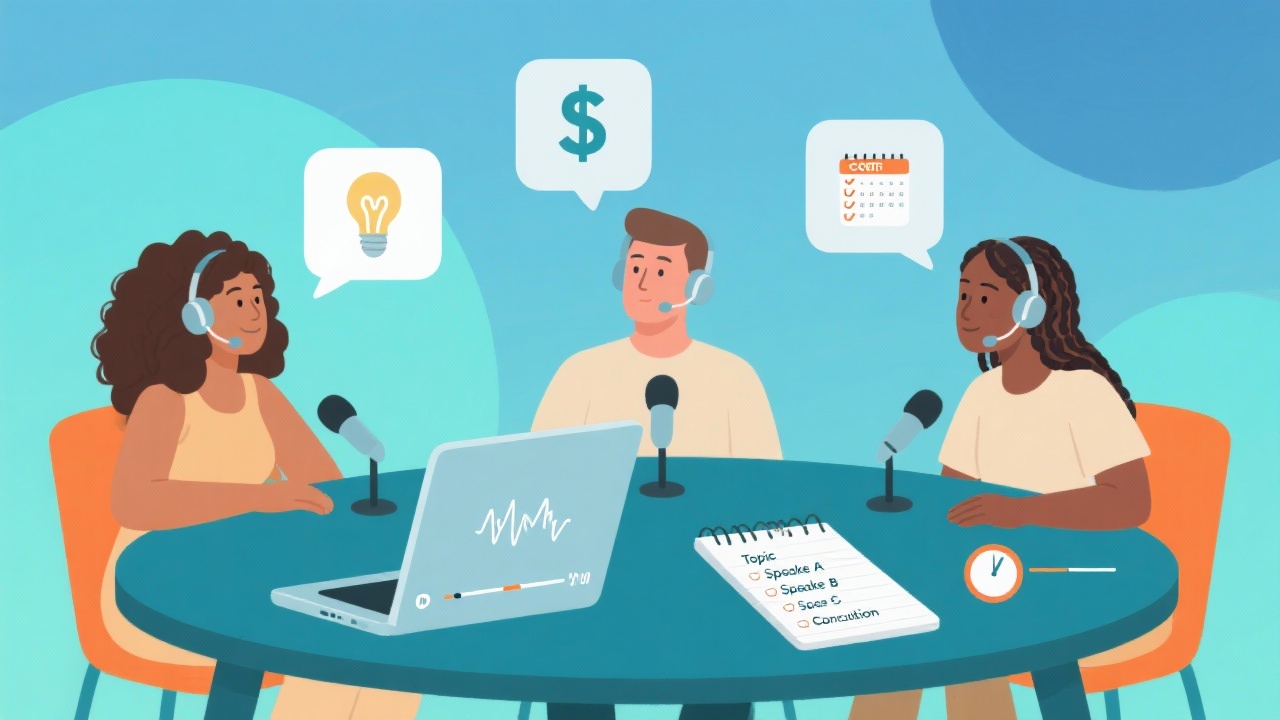
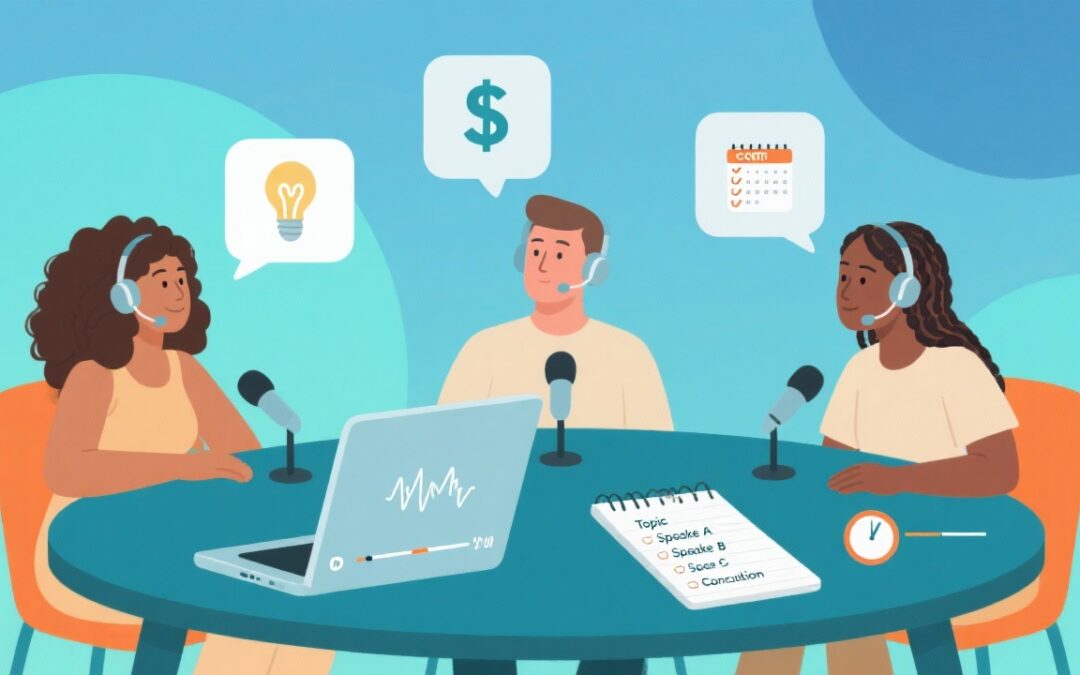
  • Task: Listen to a group discussion between three speakers and summarize it in your own words.
  • Prompt length: Up to 3 minutes of audio.
  • Skills assessed: Listening and Speaking.
  • Time to answer: 2 minutes of speaking (single attempt).

You can take notes on the erasable whiteboard while the audio plays. After the audio ends, you get 10 seconds to prepare. When the microphone opens (you’ll hear a tone), start speaking immediately and finish before the progress bar ends. Speak clearly and naturally—don’t rush.

PTE Summarize Group Discussion Template

PTE Summarize Group Discussion High-Score Strategy: Step-by-Step

  1. Before the audio
    • Goal set: “What’s the topic? Who supports what? What’s the outcome?”
    • Prepare a simple note layout with three columns: Speaker A, Speaker B, Speaker C, plus a Conclusion line.
  2. While listening (no planning yet—just capture)
    • Topic: Write the central issue/question.
    • Positions: For each speaker, jot 2–3 bullet points: opinion + reasons/examples.
    • Interactions: Note agreements/disagreements, comparisons, and any compromise/outcome.
    • Conclusion: Was there a decision, next step, or unresolved disagreement?
  3. 10‑second prep window
    • Pick your structure: Topic → Speaker views → Comparisons → Conclusion/Outcome.
    • Choose linking phrases (see below) and a clear opening sentence.
  4. During your 2‑minute response
    • Follow the structure; speak at a steady, natural pace.
    • Paraphrase—avoid copying exact phrases.
    • Explicitly compare perspectives: “While Speaker A emphasized…, Speaker B countered…”
    • Conclude with the outcome or state that no consensus was reached.

PTE Summarize Group Discussion Template

Use this simple, high-scoring template to stay organized and fluent:

  • Introduction of the topic
    • “The discussion focused on [topic/issue].”
  • Present key perspectives
    • “The first speaker argued that [main point + reason].”
    • “The second speaker highlighted [point + reason/example].”
    • “The third speaker added [point], emphasizing [evidence/constraint].”
  • Compare and connect
    • “In contrast to the first view, the second speaker was concerned about…”
    • “Both the first and third speakers agreed on…, although they differed on…”
  • Wrap up with an outcome
    • “They concluded that [decision/next step],” or “No final agreement was reached, but they proposed [pilot/further analysis].”

Sample response:
“The discussion was about implementing a recycling system on campus. One speaker supported the idea and suggested adding more bins to encourage participation. Another raised concerns about budget and logistics. The third proposed starting small to test adoption. They agreed to propose a pilot program before expanding it across the university.”

Powerful Linking Phrases for Fluency and Structure

  • Opening: “The discussion focused on…”, “They debated whether…”
  • Sequencing: “First…”, “Next…”, “Additionally…”
  • Comparison: “By contrast…”, “However…”, “On the other hand…”
  • Agreement: “Both speakers agreed that…”, “There was consensus on…”
  • Evidence: “This was supported by…”, “They cited…”
  • Conclusion: “They concluded that…”, “They decided to…”, “No consensus was reached.”

Timing Blueprint You Can Copy

  • 0:00–0:10: Clear opening and topic statement.
  • 0:10–1:10: Summarize each speaker (20–25 seconds per speaker).
  • 1:10–1:35: Highlight key comparisons and areas of agreement/conflict.
  • 1:35–1:55: State the outcome or proposed next steps.
  • 1:55–2:00: Crisp closing line.

Common Mistakes to Avoid

  • Starting before the mic opens or after the tone—your voice won’t be recorded earlier.
  • Memorized, generic summaries that ignore the actual points.
  • Listing details without comparisons or a conclusion.
  • Speaking too fast or pausing excessively.
  • Overrunning time—stop before the progress bar ends.

Practice Tips That Boost Scores Fast

  • First, focus on listening: prioritize comprehension over planning during audio.
  • Identify discussion structure: who supports what, and what’s the resolution?
  • Build a phrase bank: keep ready-to-use openings, transitions, and comparison lines.
  • Speak naturally: clarity beats speed; avoid long pauses and fillers.
  • Simulate the test: use a 3‑column note method (A/B/C + Conclusion) with a 2‑minute timer.
  • Train with varied accents: practice with different English accents and tones.

Quick Note-Taking Grid (copy this during your test)

  • Topic:
  • Speaker A: [opinion + 1–2 reasons]
  • Speaker B: [opinion + 1–2 reasons]
  • Speaker C: [opinion + 1–2 reasons]
  • Agreement/Conflict:
  • Conclusion/Next Step:

How Scoring Works: Content, Oral Fluency, Pronunciation

Your response contributes to both Speaking and Listening. Scores are given on partial credit across three areas:

  • Content
    • 6: Accurate, complete, well-paraphrased summary of all main points; compares speakers; highly logical and fluent.
    • 5: Mostly accurate; minor slips; partial comparisons; good vocabulary and structure.
    • 4: Main ideas covered with some errors or focus on less relevant details; weak comparisons; basic vocabulary.
    • 3–0: Increasingly incomplete, repetitive, unclear, or too short/irrelevant.
  • Oral Fluency
    • 5: Highly fluent; natural rhythm, no hesitations.
    • 4–3: Smooth with minor hesitations to generally understandable.
    • 2–0: Noticeable breaks, slow/hesitant, hard to follow, or diffluent.
  • Pronunciation
    • 5: Native-like clarity.
    • 4–3: Mostly accurate to good but with errors.
    • 2–0: Many mispronunciations to very hard to understand.
PTE Summarize Group discussion Template
FAQs: PTE Summarize Group Discussion (Speaking)

What is the PTE Summarize Group Discussion task?

You listen to a discussion between three speakers and then summarize it in your own words. The audio can be up to 3 minutes. You get 10 seconds to prepare and 2 minutes to speak.

Which skills are assessed in this task?

Both Listening and Speaking. Your response affects scores in Content, Oral Fluency, and Pronunciation.

How long do I have to answer?

You have 2 minutes to speak. There is only one attempt, so manage your time and finish before the progress bar ends.

Can I take notes during the audio?

Yes. Use the erasable whiteboard while listening to capture the topic, each speaker’s main points, and the conclusion or next steps.

When should I start speaking?

Wait for the tone and the microphone to open. Do not start before it opens—early speech is not recorded.

How is the task scored?
  • Content: Accuracy, coverage of main points, paraphrasing, logical structure, and comparisons between speakers.
  • Oral Fluency: Smoothness, rhythm, and absence of unnecessary pauses.
  • Pronunciation: Clarity and intelligibility of speech.
What does a high-scoring response include?
  • Clear introduction of the topic
  • Concise summary of each speaker’s viewpoint with reasons/examples
  • Explicit comparisons (agreement/disagreement)
  • A brief conclusion or outcome
Do I need to speak quickly to score well?

No. Speak naturally at a steady pace. Clarity and coherence matter more than speed.

What template can I use?
  • Introduction: “The discussion focused on…”
  • Speaker summaries: “The first/second/third speaker argued/highlighted…”
  • Comparison: “In contrast…” “Both speakers agreed…”
  • Conclusion: “They concluded that…” or “No consensus was reached…”
How should I structure my notes?

Use a simple grid:

  • Topic
  • Speaker A: main point + reason
  • Speaker B: main point + reason
  • Speaker C: main point + reason
  • Agreement/Conflict
  • Conclusion/Next Step
What linking phrases improve fluency?

“The discussion focused on…,” “One speaker mentioned…,” “By contrast…,” “However…,” “They agreed that…,” “They concluded that…”

What are common mistakes to avoid?
  • Starting before the mic opens
  • Copying phrases from the audio instead of paraphrasing
  • Listing details without comparisons or a conclusion
  • Speaking too fast or pausing excessively
  • Exceeding the time limit
How can I improve my pronunciation and fluency?

Practice with a timer, record yourself, and aim for smooth pacing. Use familiar linking phrases and avoid long pauses or fillers like “uh/um.”

Is there a “right” answer to the discussion?

No. You’re graded on how well you capture and organize the main points and relationships between speakers, not on personal opinions.

Can I pause or restart my response?

No. There’s only one recording attempt. Start after the tone and speak through to a clear finish.

Does this task impact both Speaking and Listening scores?

Yes. Strong summaries with accurate content and good delivery can boost both modules.

For more templates, sample answers, and practice materials, visit nextstepielts.com.

Technological Innovation and Its Impact

Technological Innovation and Its Impact

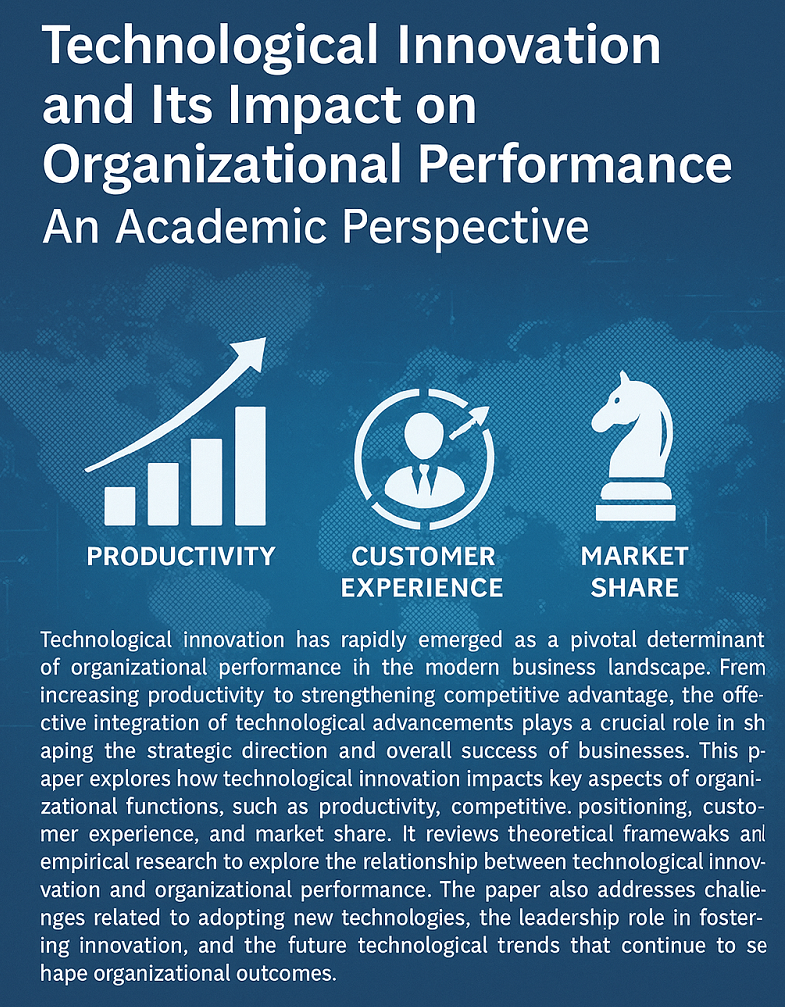
Technological Innovation and Its Impact on Organizational Performance: An Academic Perspective

Technological innovation has rapidly emerged as a pivotal determinant of organizational performance in the modern business landscape. From increasing productivity to strengthening competitive advantage, the effective integration of technological advancements plays a crucial role in shaping the strategic direction and overall success of businesses. This paper explores how technological innovation impacts key aspects of organizational functions, such as productivity, competitive positioning, customer experience, and market share. It reviews theoretical frameworks and empirical research to explore the relationship between technological innovation and organizational performance. The paper also addresses challenges related to adopting new technologies, the leadership role in fostering innovation, and the future technological trends that will continue to shape organizational outcomes.


Introduction

The integration of new technologies into business processes is no longer optional but a necessity in today’s fast-paced, highly competitive global market. Technologies such as Artificial Intelligence (AI), automation, blockchain, the Internet of Things (IoT), and advanced data analytics have transformed how organizations operate, enabling them to enhance productivity, lower costs, and maintain a competitive edge. Technological innovation is thus a critical factor in determining an organization’s ability to adapt, survive, and thrive in a rapidly evolving environment.

This paper will analyze the multifaceted impact of technological innovation on organizational performance, drawing on key concepts and literature. The aim is to illustrate how adopting and integrating new technologies can lead to enhanced productivity, innovation capacity, competitive advantage, and overall success.

Technological Innovation and Its Impact on Organizational Performance


Theoretical Framework

Technological Innovation: A Definition

Technological innovation refers to the process of introducing new or significantly improved products, services, or business processes, driven by advancements in technology. While this includes the development of entirely new technologies, it also encompasses the creative use of existing technologies to improve organizational operations. Joseph Schumpeter’s theory of creative destruction explains how technological advancements disrupt established business models, enabling new companies or business practices to emerge. Through continuous innovation, firms can secure a competitive edge and redefine industries, even at the risk of upending traditional business operations.

Organizational Performance: A Broader Perspective

Organizational performance is a complex, multidimensional concept. It generally refers to how well an organization achieves its strategic objectives. Common indicators of performance include financial outcomes (e.g., profitability, return on investment), market share, operational efficiency, customer satisfaction, and innovation capacity. In the context of technological innovation, performance is often assessed in terms of how well a company adapts to change, integrates new technologies, and creates new value propositions in the market.

The relationship between technological innovation and organizational performance has been a central concern in strategic management. Today, organizations are expected to leverage technology not just to survive but to thrive by gaining a competitive advantage, optimizing processes, and delivering superior customer value.


Technological Innovation and Its Impact on Organizational Performance

1. Productivity and Operational Efficiency

One of the most immediate and measurable impacts of technological innovation is its ability to enhance organizational productivity. Automation, AI, robotics, and advanced data analytics contribute to more efficient resource management, reduced operational costs, and faster decision-making processes. These technologies also lead to the elimination of redundant tasks and errors, allowing employees to focus on higher-value activities.

For example, Enterprise Resource Planning (ERP) systems and Customer Relationship Management (CRM) software allow organizations to streamline operations, enhance customer interactions, and improve supply chain coordination. Research by Brynjolfsson and Hitt (2003) found that organizations that invest in advanced information technologies significantly increase their productivity in both labor and capital.

However, these productivity benefits are contingent on proper integration and continuous employee training. Simply adopting new technologies without effective implementation can result in missed opportunities for improving operational efficiency.

2. Competitive Advantage

Technological innovation has become a central driver of competitive advantage. Firms that effectively leverage advanced technologies are better positioned to outperform competitors by offering differentiated products, services, and customer experiences. For example, companies like Amazon and Netflix have adopted cloud computing, AI, and big data analytics to personalize customer experiences and optimize supply chains, which has given them a sustainable edge over competitors.

Michael Porter’s value chain framework (1985) illustrates how technological advances in areas such as operations, logistics, and marketing contribute to competitive advantage. By innovating in these areas, companies add value, reduce costs, and improve customer satisfaction, thereby strengthening their position in the market.

In today’s hyper-competitive landscape, if an organization is unwilling or unable to innovate, it risks falling behind competitors that can adapt to new technological trends and meet evolving customer needs more effectively.

3. Innovation Capability and Market Growth

Technological innovation allows organizations to develop an innovation capability—the ability to continuously introduce new products, services, or processes that meet market demands. Firms that invest in research and development (R&D) and adopt innovative technologies are more likely to generate market-leading products that open new revenue streams and foster market growth.

For instance, in the pharmaceutical industry, technological innovations in drug discovery and development have enabled companies to reduce the time and cost of bringing new drugs to market. This accelerates the process of introducing innovative products to consumers, thereby increasing market share and revenue potential.

AI-powered digital marketing platforms have also helped businesses create personalized marketing strategies based on consumer behavior, resulting in more effective customer engagement and enhanced market presence.

4. Customer Satisfaction and Experience

Customer satisfaction has been significantly enhanced through the use of technological innovations. AI, machine learning, and big data analytics allow companies to analyze customer behavior, predict preferences, and deliver customized solutions. This leads to a more personalized experience that drives customer loyalty and repeat business.

For example, Spotify and Netflix use machine learning algorithms to provide users with personalized content recommendations. These tailored experiences not only enhance customer satisfaction but also improve user retention rates, which contribute to market dominance. Companies that effectively exploit technology to anticipate and meet customer needs tend to have a stronger reputation and higher levels of customer satisfaction.

5. Cost Reduction and Efficiency

Cost reduction is another key benefit of technological innovation. Automation, data analytics, and cloud computing enable organizations to cut down on labor costs, minimize human errors, and enhance operational efficiency. For instance, robotics in manufacturing and automated warehouses have drastically reduced costs associated with labor, while improving speed and accuracy in operations.

McKinsey & Company (2019) reported that automation can lead to cost reductions of up to 30% in sectors like manufacturing, healthcare, and logistics. However, these efficiencies can only be realized if the organization can successfully integrate new technologies and ensure that they align with existing business processes.


Challenges of Technological Innovation Implementation

Despite its numerous benefits, the implementation of technological innovation poses several challenges. These challenges include:

1. Resistance to Change

Many employees and managers resist new technologies due to fear of job displacement, lack of technical expertise, or simply a reluctance to adapt to change. Overcoming this resistance requires strong change management strategies that emphasize clear communication, involvement of key stakeholders, and providing adequate training.

2. High Initial Costs and Investment

Technological innovations require substantial investment in infrastructure, software, and employee training. For many small and medium enterprises (SMEs), these costs can be prohibitive. Securing funding for technology adoption may require creative solutions, such as seeking government grants or strategic partnerships.

3. Integration with Existing Systems

Integrating new technologies with legacy systems is often a complex and costly process. Incompatibilities between old and new systems can delay deployment, reduce efficiency, and add unexpected costs. Companies must carefully plan technology integration to minimize disruption to ongoing operations.

4. Cybersecurity Risks

As organizations become more reliant on digital technologies, they face increased risks related to cybersecurity. Data breaches, ransomware attacks, and other cyber threats can undermine the benefits of technological innovation, leading to significant financial losses and reputational damage.


The Role of Leadership in Fostering Technological Innovation

Effective leadership is critical in driving technological innovation within an organization. Leaders must foster a culture that encourages experimentation, collaboration, and risk-taking. Moreover, leaders must be proactive in identifying emerging technologies and integrating them into the company’s strategic vision.

Key Leadership Qualities for Innovation:

  • Openness to Change: Leaders must demonstrate flexibility and a willingness to embrace new ideas and technologies.

  • Strategic Foresight: The ability to anticipate future technological trends and align them with organizational goals.

  • Continuous Learning: Ensuring that employees are continuously trained and equipped to work with emerging technologies.

In conclusion, the future of organizational performance will be largely shaped by the ability of leadership to integrate and leverage new technologies to drive innovation and improve business outcomes.


Emerging Technological Trends

As we look ahead, several technological trends are likely to shape organizational performance in the coming years:

  • Artificial Intelligence (AI) and Machine Learning: AI will continue to optimize decision-making, improve customer personalization, and enhance operational efficiency.

  • IoT (Internet of Things): The widespread use of IoT devices will enable organizations to collect real-time data, optimize asset management, and streamline operations.

  • Blockchain: Blockchain technology will provide enhanced security, transparency, and traceability, especially in industries like supply chain management, finance, and healthcare.

  • 5G Connectivity: The arrival of 5G networks will offer faster data transmission, enabling innovations in areas like remote working, smart cities, and autonomous vehicles.


Conclusion

Technological innovation is undeniably a significant driver of organizational performance in the modern business world. Organizations that embrace technology to enhance productivity, improve customer experience, and reduce costs are better positioned to maintain a competitive advantage and achieve long-term success. However, the implementation of new technologies is not without challenges, including resistance to change, high upfront costs, and integration complexities. Effective leadership, strategic foresight, and continuous learning are essential to overcome these obstacles and unlock the full potential of technological innovation.


References

  • Brynjolfsson, E., & Hitt, L. M. (2003). Computing productivity: Firm-level evidence. The Review of Economics and Statistics, 85(4), 793-808.

  • Porter, M. E. (1985). Competitive advantage: Creating and sustaining superior performance. Free Press.

  • McKinsey & Company. (2019). Automation in business: Opportunities and challenges. McKinsey & Company.

  • Hambrick, D. C., & Mason, P. A. (1984). Upper echelons: The organization as a reflection of its top managers. Academy of Management Review, 9(2), 193-206.

IELTS coaching in Dhaka

Does Homeopathy Really Work?

Does Homeopathy Really Work?

Does Homeopathy Really Work?

Homeopathy is one of the most widely practiced forms of alternative medicine, with a history spanning over 200 years. Developed in the late 18th century, it is based on the principle of “like cures like,” which suggests that a substance that causes symptoms in a healthy individual can be used—when highly diluted—to treat similar symptoms in someone who is ill.

Over the years, homeopathy has gained both devoted followers and fierce critics. While many people report positive results from its use, others question whether its benefits are anything more than placebo. In this article, we will explore what homeopathy is, how it works (according to its practitioners), and what scientific research says about its effectiveness.

Does Homeopathy Really Work?

What Is Homeopathy?

Homeopathy was founded by German physician Samuel Hahnemann in the late 1700s as a reaction to the often harsh and invasive medical treatments of the time, such as bloodletting and purging. Hahnemann proposed a gentler, more individualized approach based on two main concepts:

  1. “Like Cures Like” – The belief that substances causing symptoms in healthy people can treat similar symptoms in the sick.

  2. Potentization – The idea that diluting a substance many times, while vigorously shaking it at each stage (a process called “succussion”), enhances its healing power—even when the final remedy contains no measurable molecules of the original substance.

For example, a homeopathic remedy for insomnia might be derived from caffeine, a substance known to cause sleeplessness. According to homeopathic theory, this ultra-diluted caffeine solution could help someone who is struggling with sleep.

Homeopathic remedies are available in various forms, including tablets, liquids, creams, and pellets. They are often labeled with dilution ratios such as 30C or 200C, which indicate the number of times the original substance has been diluted by a factor of 100. At high dilutions, it is unlikely that even a single molecule of the original substance remains.

Despite this, homeopaths claim that the remedy retains a “memory” or “energy imprint” of the original ingredient, which helps trigger the body’s natural healing response. Critics, however, argue that such claims lack a scientific basis and are incompatible with current understanding of chemistry and physics.


Does Homeopathy Really Work?

The effectiveness of homeopathy is a subject of ongoing debate. A large number of clinical studies and reviews have investigated homeopathy’s efficacy—many with conflicting outcomes.

Evidence Against Homeopathy

Numerous systematic reviews and meta-analyses—which evaluate the results of multiple studies—have concluded that homeopathy performs no better than a placebo. The placebo effect is a psychological phenomenon in which people experience real improvements in symptoms after receiving a treatment with no active ingredients, simply because they believe it will help.

For instance, a 2010 review by the UK House of Commons Science and Technology Committee stated that homeopathic remedies were “scientifically implausible” and that there was no evidence to support their effectiveness beyond placebo. Similarly, the Australian National Health and Medical Research Council (NHMRC) in 2015 concluded that there are no reliable studies demonstrating homeopathy’s effectiveness for any health condition.

Evidence Supporting Homeopathy

Despite the skepticism, some studies have reported positive findings. For example:

  • A 1994 study published in the British Medical Journal found that patients with rheumatoid arthritis reported symptom improvement after homeopathic treatment.

  • Another study published in the Journal of Alternative and Complementary Medicine suggested that homeopathic remedies might reduce the duration and severity of childhood diarrhea.

However, many of these studies have been criticized for poor methodology, small sample sizes, and lack of replication. Supporters argue that larger, better-designed studies are needed to fully assess homeopathy’s potential.


Why Do People Use Homeopathy?

Despite the scientific controversy, millions of people around the world continue to use homeopathy. Here are a few reasons why:

  • Holistic Approach: Homeopathy treats the whole person, not just the symptoms. Consultations are often in-depth, taking into account physical, emotional, and mental health.

  • Personal Attention: Homeopaths typically spend more time with patients than conventional doctors, which many people find reassuring and therapeutic.

  • Natural Remedies: Many people are attracted to the idea of gentle, non-toxic remedies with fewer side effects than pharmaceutical drugs.

  • Chronic Conditions: Some turn to homeopathy when conventional medicine fails to relieve symptoms of chronic illnesses, such as migraines, allergies, or irritable bowel syndrome.


The Role of the Placebo Effect

Critics often attribute homeopathy’s benefits to the placebo effect, where belief in a treatment’s power—rather than the treatment itself—leads to symptom relief. While often viewed negatively, the placebo effect is a real and measurable phenomenon that can trigger physiological responses such as pain relief, improved mood, and immune changes.

In that sense, even if homeopathy works through placebo, it may still provide value in certain contexts—especially when paired with compassionate care and strong doctor-patient communication. However, medical professionals emphasize that treatments should be evidence-based, particularly for serious or life-threatening conditions.


Conclusion: Does Homeopathy Work?

The question of whether homeopathy really works does not have a simple answer. From a scientific standpoint, the majority of well-designed studies suggest that homeopathy performs no better than a placebo. Critics argue that its principles defy basic laws of science and that patients should not rely on it in place of proven medical treatments.

Yet for many users, homeopathy feels effective—whether due to the placebo effect, the holistic consultation process, or a belief in its healing power. Personal experience, cultural practices, and trust in alternative healing methods all play a role in homeopathy’s continued popularity.

Ultimately, the decision to use homeopathy is a personal one. If you’re considering homeopathic treatment, it’s important to consult with a qualified healthcare provider—especially if you’re dealing with a serious or chronic condition. A balanced, informed approach will help ensure that your choices support your overall health and well-being.

Pros and Cons of Homeopathy

Like any healthcare approach, homeopathy has its advantages and disadvantages. Here’s a closer look at both sides:

Pros:

  • Holistic and Individualized Care
    Homeopaths typically spend more time with patients than conventional doctors, exploring not only physical symptoms but also emotional and lifestyle factors. Many people value this thorough, personalized approach.

  • Minimal Side Effects
    Because homeopathic remedies are highly diluted, they rarely cause adverse reactions, making them appealing to those sensitive to conventional medications.

  • Widely Available and Non-Invasive
    Homeopathic remedies are sold over the counter in many countries and are generally easy to administer—no needles, prescriptions, or complex procedures required.

  • Support for Self-Healing
    Advocates say that homeopathy stimulates the body’s own healing mechanisms, which aligns with more natural or holistic philosophies of health.

Cons:

  • Lack of Scientific Evidence
    Most scientific reviews conclude that homeopathic remedies are not more effective than placebos for most health conditions.

  • May Delay Effective Treatment
    Relying on homeopathy for serious or progressive illnesses (e.g., cancer, diabetes, infections) can lead to dangerous delays in receiving evidence-based medical care.

  • Inconsistent Regulation
    In some countries, homeopathic products are poorly regulated. This can lead to inconsistencies in quality, labeling, and safety.

  • Cost and Time
    Because homeopathy is often not covered by insurance, treatment can be expensive—especially with long consultations and repeat visits.


Homeopathy vs. Conventional Medicine

Understanding how homeopathy compares to conventional (mainstream) medicine can help clarify its role in today’s healthcare landscape.

Aspect Homeopathy Conventional Medicine
Philosophy Treats the whole person and seeks balance Treats specific symptoms or diseases
Treatment Highly diluted substances; “like cures like” Medications, surgery, physical therapy, etc.
Scientific Basis Not supported by modern scientific principles Based on biology, chemistry, and clinical evidence
Regulation Varies by country; less strict Strict regulations and clinical testing
Consultation Style Long, personal, holistic Usually shorter and symptom-focused
Effectiveness Mixed evidence; often no better than placebo Generally proven through clinical trials

Can They Be Used Together?

Yes, many people use homeopathy alongside conventional treatment, a practice known as complementary medicine. However, this should always be done under the guidance of a qualified healthcare provider to avoid interactions or delays in effective care.


Is Homeopathy Safe?

Generally Safe, But Not Always Risk-Free

Homeopathic remedies are usually safe for most people when used properly. Since they are so highly diluted, the risk of toxicity or allergic reaction is extremely low. However, safety concerns arise in a few key areas:

  • Replacing Effective Treatment
    The most serious risk is when individuals use homeopathy instead of proven treatments for serious illnesses like infections, cancer, or heart disease. This can result in worsening symptoms or irreversible harm.

  • Unregulated Products
    In some cases, especially with online purchases or unlicensed practitioners, remedies may be contaminated or mislabeled. The U.S. FDA has issued warnings about certain homeopathic products containing active ingredients in unsafe concentrations.

  • Misdiagnosis and Delayed Care
    Some homeopaths may diagnose conditions without adequate medical testing, leading to delays in identifying and treating underlying health issues.

How to Use Homeopathy Safely:

  • Consult a Licensed Healthcare Professional: Especially for serious or chronic conditions.

  • Don’t Replace Essential Treatments: Use homeopathy as a complement, not a substitute.

  • Use Reputable Sources: Choose remedies from regulated, transparent manufacturers.

  • Watch for Symptoms: If symptoms persist or worsen, seek conventional medical advice promptly.

A Brief History of Homeopathy’s Rise and Decline

Homeopathy has had a fascinating journey over the past 200+ years, from widespread popularity to significant controversy.

The Rise of Homeopathy:

  • Origins and Early Success
    Homeopathy was founded in the late 1700s by Samuel Hahnemann, who was dissatisfied with the medical treatments of his time, such as bloodletting and the use of toxic substances like mercury. Hahnemann’s theories, particularly the idea of “like cures like”, quickly attracted followers. By the mid-19th century, homeopathy had gained substantial popularity, especially in Europe and the United States.

  • Homeopathy’s Golden Age
    In the 19th century, homeopathic medicine became mainstream, with over 200 homeopathic hospitals and thousands of practitioners worldwide. It was particularly favored in the United States, where it was embraced by some of the leading intellectuals and medical professionals of the time. It also became popular in parts of India, where it was integrated into the healthcare system, alongside traditional medicine.

  • The Decline of Homeopathy:
    As scientific advancements in medicine progressed, especially with the development of antibiotics, vaccines, and medical technologies, homeopathy began to lose credibility. The rise of evidence-based medicine in the 20th century, alongside rigorous clinical trials, led to growing skepticism about homeopathy’s efficacy.

    A critical turning point came in the early 20th century, when the Flexner Report (1910) criticized many alternative medical practices, including homeopathy, for lacking scientific rigor. This shifted the focus toward conventional medicine in the West.

    By the mid-20th century, homeopathy was marginalized in many Western countries. However, it remained widely practiced in India, Europe, and some parts of South America, where it has retained a significant following to this day.


Public Perception and Use in Different Countries

Homeopathy’s popularity and perception vary dramatically depending on geography, culture, and government regulations.

India: A Stronghold for Homeopathy

India is by far the largest consumer of homeopathic treatments in the world. Homeopathy is officially recognized by the Indian government, and homeopathic medical colleges are part of the country’s formal education system. Over 100,000 licensed homeopaths practice in India, and the government includes homeopathic remedies in its national health programs. The belief in homeopathy is so deeply ingrained that people often turn to it for a wide range of ailments, from minor colds to chronic diseases.

Europe: A Mixed Landscape

In Europe, homeopathy is widely practiced, though its status is divided. In Germany, homeopathy is integrated into the healthcare system, and practitioners receive formal training. It is also covered by some insurance plans in countries like France and Switzerland, where homeopathic remedies are often considered complementary to conventional treatments.

In contrast, countries like the UK and Netherlands have become more critical of homeopathy, with some organizations, such as the National Health Service (NHS) in the UK, stating that there is little scientific evidence to support its effectiveness. In 2010, the UK government even decided to stop funding homeopathic treatments through the NHS.

United States: Declining, But Still Popular

In the United States, homeopathy has seen a resurgence in recent years, primarily among people seeking natural remedies for common ailments. According to surveys, about 5% of Americans report using homeopathic treatments. However, the lack of regulation and standardization of products, along with the absence of strong evidence, has made the practice controversial. The FDA has issued warnings regarding certain homeopathic products, especially those that contain harmful ingredients or make unproven health claims.

Other Regions:

In some parts of South America and Africa, homeopathy is less popular, but still practiced. Many indigenous cultures in these regions use herbal and natural remedies, and homeopathy is often seen as a complementary treatment to traditional healing practices.


FAQs About Homeopathy

1. What exactly is in a homeopathic remedy?

Homeopathic remedies are made by diluting a substance—usually a plant, mineral, or animal product—in water or alcohol. The solution is then shaken vigorously (succussed) to “potentize” it. At high dilutions (e.g., 30C or 200C), the final product may not contain a single molecule of the original substance.

2. How does homeopathy work?

According to homeopathic principles, the process of dilution and succussion imbues the remedy with an “energy” or “vibration” that resonates with the body’s own healing mechanisms. Critics argue that there is no scientific basis for this idea, and homeopathy’s effects are often attributed to the placebo effect.

3. Are homeopathic remedies FDA-approved?

In the United States, homeopathic remedies are regulated by the FDA, but they are often sold as dietary supplements rather than drugs. This means that they don’t need to undergo the same rigorous testing required for pharmaceutical products. However, the FDA has issued warnings about some homeopathic products that contain potentially harmful ingredients.

4. Can homeopathy cure serious diseases like cancer or heart disease?

There is no scientific evidence to support the claim that homeopathy can cure life-threatening diseases like cancer, heart disease, or infections. It is crucial to rely on proven medical treatments for such conditions. Homeopathy is often used as a complementary therapy, but it should not replace standard medical care.

5. How long does it take for homeopathy to work?

The time it takes for homeopathy to show results can vary greatly depending on the condition being treated, the remedy used, and the individual. Some people report feeling better within a few days, while others may require longer-term treatment. Homeopaths often take a holistic approach, addressing not just symptoms but also emotional and lifestyle factors, which may influence healing.

6. Is homeopathy safe for children and pregnant women?

Homeopathic remedies are generally considered safe for children and pregnant women because they contain extremely diluted substances. However, it is always advisable to consult with a healthcare provider before starting any new treatment, particularly during pregnancy or infancy.

7. Why do people believe in homeopathy if there is no scientific proof?

Many people believe in homeopathy due to personal experience, the placebo effect, and a desire for more natural treatments. Homeopathy’s emphasis on individualized care and its holistic approach can also be compelling. In cultures where alternative medicine is more integrated into healthcare, people may be more inclined to trust these remedies.


Final Thoughts: To Use or Not to Use?

The decision to try homeopathy is deeply personal, and its effectiveness remains a matter of debate. While there is little scientific evidence to support homeopathy’s efficacy for most medical conditions, it has an enduring appeal for people seeking more natural, holistic, and personalized approaches to health.

For some, the placebo effect, the sense of well-being, and the belief in the power of homeopathy can be enough to justify its use. However, for those with serious conditions, conventional medicine—backed by rigorous research and scientific evidence—should remain the first line of treatment.

As always, it’s important to consult with a healthcare provider when making decisions about your health, especially if you are considering alternative treatments.

Alarming Global Warming

What Covid 19 Pandemic Taught Us? Academic Article

What Covid 19 Pandemic Taught Us? Academic Article

What Covid 19 Pandemic Taught Us?

Lessons from the COVID-19 Pandemic: Building a Better Future

The COVID-19 pandemic has been one of the most significant global crises of our time. It disrupted nearly every aspect of life—health, economy, education, work, and social norms. While the human and economic toll has been devastating, the pandemic has also served as a wake-up call, revealing both our vulnerabilities and our strengths. Amidst the hardships, it has offered crucial lessons that can help us shape a more resilient, equitable, and prepared future.

What Covid 19 Pandemic Taught Us

1. The Critical Importance of Public Health Infrastructure

One of the most evident takeaways from the pandemic is the vital role of a robust public health infrastructure. Countries that had well-funded healthcare systems, efficient testing and contact tracing, and quick access to vaccines were far more successful in mitigating the spread of the virus. In contrast, under-resourced health systems struggled, often resulting in overwhelmed hospitals, higher mortality rates, and deeper economic fallout. The pandemic underscored the need for sustained investment in healthcare, not just in times of crisis, but as a fundamental public good.

2. The Necessity of Global Cooperation

COVID-19 reminded the world just how interconnected we are. A virus that began in one part of the world quickly became a global threat. In response, international collaboration—through vaccine development, data sharing, and humanitarian aid—played a pivotal role in managing the crisis. The pandemic emphasized the need for stronger global institutions, more transparent communication, and a commitment to working together to face shared challenges, whether they be health-related, environmental, or economic.

3. The Power and Value of Scientific Research

The rapid development of multiple COVID-19 vaccines is a historic achievement in scientific innovation. It proved the power of well-funded, collaborative research and the value of relying on scientific evidence to guide policy and personal decisions. At the same time, the pandemic highlighted the danger of misinformation and conspiracy theories, which undermined public health efforts. Going forward, fostering scientific literacy and trust in experts is essential for building resilient societies.

4. The Growing Importance of Mental Health

While the physical effects of the virus were widely acknowledged, the pandemic also took a profound toll on mental health. Social isolation, financial uncertainty, grief, and fear contributed to a global mental health crisis. Depression, anxiety, and burnout became more widespread, highlighting long-standing gaps in mental health services. The crisis has made it clear that mental health must be integrated into healthcare systems and treated with the same urgency as physical health.

5. The Need for Resilience and Adaptability

The pandemic forced individuals, businesses, and governments to adapt rapidly. From remote work and virtual schooling to curbside delivery and telehealth services, we discovered new ways to function under restrictive conditions. These adaptations demonstrated our capacity for resilience and innovation. Going forward, flexibility and adaptability must remain at the heart of how we respond to future disruptions—whether from pandemics, climate change, or other crises.

6. Exposing and Addressing Inequality

COVID-19 did not affect everyone equally. Marginalized communities—including low-income families, people of color, and those with chronic health conditions—were hit hardest, both health-wise and economically. The pandemic shed light on systemic inequalities in healthcare access, housing, job security, and education. Addressing these disparities must be a priority as we recover, with policies that promote equity, inclusion, and social justice.

7. The Double-Edged Role of Technology

Technology became a lifeline during the pandemic. Remote work, online education, virtual gatherings, and telemedicine all surged in use, proving essential to continuity in daily life. Digital platforms enabled innovation and connectivity—but they also exposed the digital divide. Many lacked access to reliable internet or devices, widening educational and economic disparities. As we move forward, ensuring equitable access to technology is critical for inclusive progress.

8. Environmental Impacts and Lessons

Lockdowns and travel restrictions led to temporary reductions in pollution and greenhouse gas emissions, offering a glimpse of what a more sustainable world might look like. The pandemic underscored the link between environmental health and human health, reminding us that protecting natural ecosystems is not optional but essential. Post-pandemic recovery offers a chance to invest in green infrastructure and policies that support both economic recovery and climate resilience.

9. The Vital Role of Community and Social Connections

Despite physical distancing, the pandemic brought communities closer in many ways. People rallied to support each other—delivering food to vulnerable neighbors, checking in on loved ones, organizing virtual meetups, and donating to relief efforts. It reminded us that human connection and solidarity are powerful forces. Social networks and strong communities are vital not only during crises but in building healthier, more connected societies.

10. The Fragility—and Value—of Life

Perhaps the most profound lesson of all is the reminder of life’s fragility. Millions of lives were lost, and countless others were irrevocably changed. The unpredictability of the virus highlighted the importance of cherishing the present, valuing relationships, and living with purpose. It also reinforced the need for preparedness—not panic—so that when the next global challenge arises, we can respond with compassion, clarity, and competence.


Conclusion: Learning for the Future

The COVID-19 pandemic has been a defining chapter in modern history—marked by loss, uncertainty, and disruption. Yet, it has also revealed our potential for compassion, innovation, and transformation. The lessons we’ve learned—about public health, global unity, scientific integrity, equity, mental well-being, and resilience—must not be forgotten.

As we move forward, these insights offer a roadmap for rebuilding stronger, fairer, and more prepared communities. If we act on these lessons, the legacy of the pandemic can be more than tragedy—it can be a turning point toward a better, more inclusive future.

Best Sustainable Energy Options

Best Sustainable Energy Options

Sustainable Energy Options & Solutions

The future of renewable energy

Sustainable energy is becoming increasingly important as we face the challenges of global warming, rising energy costs, and resource depletion. It is essential to develop and implement sustainable energy solutions that can meet our energy needs while minimizing environmental impacts. This article will explore the best solutions for sustainable energy and their benefits.

Best Sustainable Energy Option

Renewable Energy:

Renewable energy is the most popular and promising solution for sustainable energy. Renewable energy sources like solar, wind, hydropower, and geothermal energy can produce electricity with minimal environmental impact. Solar energy is the most abundant and widely available form of renewable energy. It is a clean, reliable, and cost-effective source of energy. Solar panels can be installed on rooftops or in open areas, and the energy produced can be used to power homes, businesses, and even entire communities. Wind energy is another important form of renewable energy. Wind turbines can be installed on land or offshore, and the energy produced can be used to power homes, businesses, and even entire cities. Hydropower and geothermal energy are also important sources of renewable energy. They use the power of water and the earth’s heat to produce electricity.


Energy Efficiency:

Energy efficiency is another important solution for sustainable energy. Energy efficiency means using less energy to achieve the same results. Energy-efficient appliances, buildings, and vehicles can significantly reduce energy consumption and costs. Energy-efficient buildings are designed to minimize energy waste and maximize energy efficiency. They use efficient lighting, heating, and cooling systems, insulation, and other features to reduce energy consumption. Energy-efficient vehicles are designed to use less fuel and emit fewer greenhouse gases. They use hybrid or electric engines, advanced aerodynamics, and lightweight materials to reduce fuel consumption and emissions.


Bioenergy:

Bioenergy is another important solution for sustainable energy. Bioenergy uses biomass like wood, crops, and organic waste to produce energy. Biomass can be used to produce electricity, heat, and biofuels. Bioenergy is a renewable energy source that can be used to replace fossil fuels. It can also reduce waste and create new economic opportunities. Bioenergy can be produced from a variety of sources, including forestry, agriculture, and municipal waste.


Nuclear Energy:

Nuclear energy is another important solution for sustainable energy. Nuclear energy is a low-carbon source of energy that can produce large amounts of electricity with minimal environmental impact. Nuclear power plants use nuclear reactions to produce heat, which is used to generate electricity. Nuclear energy is a reliable and cost-effective source of energy, but it is also controversial. Some people are concerned about the safety and environmental risks associated with nuclear energy. Others believe that nuclear energy is necessary to meet our energy needs while minimizing greenhouse gas emissions.


In order to achieve a sustainable energy future, it is crucial to take a comprehensive and integrated approach that incorporates all the available solutions. For example, combining renewable energy sources with energy efficiency measures can result in a significant reduction in energy consumption and costs. Similarly, using bioenergy in conjunction with other sustainable energy solutions can help to address waste management issues and provide economic benefits.


Furthermore, it is important to consider the social and economic impacts of sustainable energy solutions. For example, the deployment of renewable energy technologies can create new jobs and stimulate economic growth in local communities. On the other hand, the transition to sustainable energy may also have negative social and economic impacts on communities that rely on traditional energy sources. Therefore, it is crucial to develop and implement policies and programs that can help to minimize the negative impacts of the transition to sustainable energy.


In addition to technological and policy solutions, individual and community action is also crucial for achieving a sustainable energy future. Individuals can take simple steps such as reducing their energy consumption, using public transportation, and adopting energy-efficient practices in their homes and workplaces. Communities can also work together to develop and implement sustainable energy projects, such as community solar or wind farms.


Overall, achieving a sustainable energy future is a complex and multifaceted challenge that requires a collaborative and integrated approach. It is important to recognize the benefits and limitations of each solution and to develop a tailored approach that meets the specific needs and circumstances of each community. By working together and taking action at all levels, we can create a sustainable energy future that benefits both people and the planet.

Sustainable energy is essential for the future of our planet. Renewable energy, energy efficiency, bioenergy, and nuclear energy are some of the best solutions for sustainable energy. Each solution has its own advantages and disadvantages, and the best solution depends on the specific needs and circumstances of each community. We must work together to develop and implement sustainable energy solutions that can meet our energy needs while minimizing environmental impacts. Sustainable energy is not only essential for the future of our planet but also for the health and well-being of future generations.

By The Next Step

Alarming Global Warming : Causes, Effects & Solutions | Academic Article

Alarming Global Warming : Causes, Effects & Solutions | Academic Article

Global Warming: A Looming Environmental Catastrophe

Global warming is a phenomenon that has been the subject of much debate and discussion over the past several decades. It refers to the gradual increase in the Earth’s average surface temperature, primarily due to the emission of greenhouse gases (GHGs) such as carbon dioxide (CO2), methane (CH4), and nitrous oxide (N2O) into the atmosphere. The rapid industrialization and urbanization of the modern world, combined with the rampant consumption of fossil fuels, have led to a sharp rise in GHG emissions, resulting in a significant increase in the Earth’s temperature. This article aims to explore the causes, effects, and potential solutions to the issue of global warming.

Alarming Global Warming : Causes, Effects & Solutions | Academic Article


Causes of Global Warming

The primary cause of global warming is the release of GHGs into the atmosphere. The burning of fossil fuels such as coal, oil, and natural gas for energy production is the largest contributor to GHG emissions. The transportation sector, particularly automobiles and airplanes, is another major source of GHG emissions. Other anthropogenic sources of GHGs include deforestation and land-use change, agriculture, and industrial processes. Natural sources of GHGs, such as volcanic eruptions and wildfires, also contribute to the phenomenon but to a lesser extent.

Effects of Global Warming

Global warming has numerous adverse effects on the environment, wildlife, and human societies. One of the most significant effects is the melting of the polar ice caps, which leads to rising sea levels. This phenomenon can cause coastal flooding, erosion, and the destruction of vital ecosystems, such as coral reefs and wetlands. Global warming also leads to more frequent and severe weather events, such as hurricanes, tornadoes, and heatwaves, which can cause loss of life and property damage. Other effects include changes in precipitation patterns, the spread of diseases, and the extinction of plant and animal species.


Potential Solutions to Global Warming

There are several potential solutions to the problem of global warming, some of which are already being implemented. One approach is to reduce GHG emissions through the use of cleaner, renewable energy sources such as solar, wind, and hydroelectric power. Energy efficiency measures, such as improving building insulation and promoting public transportation, can also help reduce emissions. Another solution is to implement carbon capture and storage (CCS) technology, which captures and stores GHG emissions from industrial processes. Finally, reforestation and afforestation can help absorb CO2 from the atmosphere and mitigate GHG emissions.


Global warming is a looming environmental catastrophe that requires immediate and sustained action. The causes and effects of this phenomenon are well-established, and it is clear that urgent measures are needed to mitigate its impact. Although there are numerous potential solutions, it will require a concerted effort by governments, businesses, and individuals to implement them effectively. Failure to take action will have severe and irreversible consequences for the planet, wildlife, and human societies. It is time for us to act, to preserve the planet and its resources for future generations.

[adinserter block=”2″]

[adinserter block=”1″]

[adinserter block=”2″]

Global warming is a complex and multifaceted issue, with far-reaching implications for the future of our planet. In addition to the environmental and social consequences of global warming, there are also economic and political considerations to take into account.

The economic impact of global warming is substantial, with the potential for significant losses in industries such as agriculture, tourism, and fisheries. Rising sea levels and changing precipitation patterns can lead to crop failures, while extreme weather events can disrupt supply chains and damage infrastructure. The costs of adaptation and mitigation measures, such as investing in renewable energy or building sea walls, can also be significant.

Global warming is also a political issue, with different countries and interest groups advocating for different approaches to tackling the problem. International cooperation and coordination are essential, as GHG emissions do not respect national boundaries. The United Nations Framework Convention on Climate Change (UNFCCC) and the Paris Agreement are international efforts to address global warming and reduce GHG emissions, but their effectiveness depends on the willingness of individual countries to make significant changes.

There are also ethical considerations to take into account when addressing global warming. The effects of climate change are not distributed equally, with vulnerable populations such as low-income communities, indigenous peoples, and small island states being disproportionately affected. The developed countries that have historically been responsible for the majority of GHG emissions also have a moral obligation to take the lead in addressing the problem.


In conclusion, global warming is a complex and pressing issue that requires urgent action from all sectors of society. The consequences of inaction are too severe to ignore, and the potential benefits of addressing the problem are significant. While there are no easy solutions, we must work together to reduce GHG emissions, adapt to the effects of climate change, and ensure a sustainable future for our planet.

By Next Step 

Read more:

Short Stories


IELTS Test Registration

Exam Reg.

Type

Exam

Reason for the Test

Consent

4 + 8 =

IELTS Exam Fee in Bangladesh 2026

IELTS Exam Fee in Bangladesh 2026

IELTS Exam Fee in Bangladesh 2026:

IDP & British Council Cost Update

Planning to take the IELTS in 2026? Whether you are aiming for higher studies in Canada or a UK work visa, knowing the latest registration costs is the first step. Due to currency fluctuations and operational updates, IELTS fees in Bangladesh have seen recent changes. Below is the most accurate breakdown for IDP and British Council fees in 2026.

IELTS Exam Fee in Bangladesh 2026: IDP & British Council Cost Update

Note: Fees are subject to change monthly based on USD/BDT exchange rates. Please verify before registration.
Scroll right to see all fees →
Test Type IDP Bangladesh (BDT) British Council (BDT)
IELTS Academic / General 23,000 - 25,500* 23,000 - 25,500*
IELTS for UKVI 26,500 - 28,000* 26,500 - 28,000*
IELTS Life Skills (A1/B1) 19,500 - 21,500* 19,500 - 21,500*
IELTS One Skill Retake 15,500* 15,500*
Enquiry on Results (EOR) 11,500* 11,500*

A. The Rise of “One Skill Retake” In 2026, the IELTS One Skill Retake (OSR) is the most searched topic. Explain that if a student misses their score in just one module (e.g., Writing), they don’t need to pay the full 25,000 BDT again. They can retake just that module for roughly 15,000 BDT.

B. Computer-Delivered vs. Paper-Based Fees Clarify that in 2026, there is typically no price difference between paper and computer tests in Bangladesh, but computer-delivered results come in 3-5 days, making it the preferred choice for last-minute applicants.

C. Payment Methods in Bangladesh List the 2026 preferred payment methods:

  • Standard Chartered / EBL / City Bank (Dual Currency Cards)

  • bKash/Nagad: Mention that most IDP/BC portals now allow mobile financial services, but students should watch out for “gateway convenience fees” (usually 1-2%).

Understanding the IELTS Exam Fee Structure

The IELTS exam fees vary depending on several factors, including:

  • The type of IELTS test you are taking (IELTS Academic, IELTS General Training, IELTS Life Skills, IELTS UKVI)
  • The format of the test (IELTS on Paper, IELTS on Computer)
  • The test center location

Breakdown of the New IELTS Exam Fees

Let’s take a closer look at the revised IELTS exam fees for different categories:

  • IELTS Life Skills: The fee for IELTS Life Skills will increase to BDT 20,850. This test assesses the speaking and listening skills required for everyday life and is primarily used for UK visa and immigration purposes.

  • IELTS UKVI: The IELTS UKVI, designed for those applying for UK visas and immigration, will now cost BDT 27,450. This reflects the specialized nature of the test and its specific requirements.

  • IELTS on Computer and IELTS on Paper: Both the computer-delivered and paper-based versions of the IELTS test will now have a unified fee of BDT 24,950. This aims to streamline the pricing structure and offer flexibility to test-takers in choosing their preferred test format.

Why the Fee Increase?

The decision to increase the IELTS exam fees is likely attributed to several factors:

  • Inflation and rising operational costs: The cost of administering and delivering the IELTS test involves various expenses, including test center infrastructure, staff salaries, technology, and security measures. Inflationary pressures and the rising costs of these components necessitate periodic fee adjustments to ensure the sustainability and quality of the test.

  • Maintaining test standards and security: The IELTS is renowned for its rigorous standards and security protocols. Upholding these standards requires ongoing investments in test development, quality assurance, and anti-fraud measures.

  • Enhancing the test-taker experience: The IELTS organizations continually strive to improve the overall experience for test-takers. This includes providing convenient test centers, user-friendly registration processes, and timely results delivery. Fee adjustments can enable these enhancements and create a more positive and seamless journey for candidates.

Impact on Test-Takers

The increased IELTS exam fees are expected to have various implications for test-takers:

  • Financial considerations: For some candidates, the higher fees might pose a financial challenge. It’s essential to factor in the revised fees when planning for the IELTS test and explore potential avenues for financial assistance, such as scholarships or sponsorships.

  • Early registration incentive: The opportunity to avail of the current fee structure until September 30th, 2024, encourages early registration. It provides a window for those considering taking the IELTS to secure their test dates at a lower cost.

  • Flexibility for existing registrations: Candidates who have already registered and paid for their test dates after October 1st, 2024, are not affected by the fee increase. This provides a sense of relief and avoids any disruptions to their existing plans.

  • Additional costs for test date transfers: Those who wish to transfer their test date to on or after October 1st, 2024, will need to bear the additional cost difference. This underscores the importance of carefully selecting test dates and considering any potential changes in advance.

Navigating the Fee Changes: Tips for Test-Takers

To navigate the IELTS exam fee adjustments effectively, consider the following tips:

  • Plan ahead: If you’re planning to take the IELTS, evaluate your readiness and identify your preferred test dates well in advance. This allows you to make informed decisions regarding registration and potential fee savings.

  • Register early: Take advantage of the current fee structure by registering and paying for your test dates before September 30th, 2024.

  • Explore financial assistance options: If the increased fees pose a financial constraint, explore potential scholarships, sponsorships, or installment payment plans offered by IELTS test centers or educational institutions.

  • Choose the right test format: Carefully consider your preferences and requirements when selecting between IELTS on Computer and IELTS on Paper. Both formats offer unique advantages, and the unified fee structure eliminates cost as a deciding factor.

  • Prepare diligently: Regardless of the fee changes, thorough preparation is crucial for success in the IELTS. Invest in quality study materials, practice tests, and consider enrolling in an IELTS preparation course to enhance your skills and confidence.

Conclusion

The IELTS exam fee adjustments reflect the evolving landscape of English language testing and the need to maintain high standards while enhancing the overall test-taker experience. While the increased fees might necessitate some financial planning, they also present an opportunity for early registration and potential cost savings.

Remember, achieving your desired IELTS score requires dedication and focused preparation. By understanding the fee changes, planning your test strategy in advance, and utilizing available resources, you can embark on your IELTS journey with confidence and achieve your language goals.

Additional Considerations

  • The specific fee changes mentioned in this article apply to a particular region or test center network. It’s advisable to confirm the exact fees applicable to your location by visiting the official IELTS website or contacting your chosen test center directly.
  • Apart from the base exam fee, other potential costs might include late registration fees, test date transfer fees, and remarking fees. Familiarize yourself with these additional fees and their conditions to avoid any surprises.
  • Keep an eye out for any future announcements or updates regarding the IELTS exam fees or other aspects of the test. Staying informed allows you to adapt your plans accordingly and make the most of available opportunities.


Check our courses: 

Online IELTS Course


Ready to Start Your IELTS Journey?

Choose the best path for your success in 2026.

IELTS Exam Registration

Book your IDP/British Council seat easily through us.

Book Exam Now

IELTS Seminar Course

Join the best physical coaching in Uttara, Dhaka.

View Course

Online IELTS Course

Live interactive classes from anywhere in the world.

Explore Online
💬 Chat with an Expert

Best Short Stories In English

Best Short Stories in English 

Adventurous Alice

Once upon a time there was a young girl named Alice. Alice was a curious and adventurous little girl who loved to explore her small town. Every day she would wander around, finding new places to explore and discovering the secrets that the town held.

One day Alice was walking along the riverbank when she spotted a small boat. It was an old wooden boat, barely held together by the few nails that were left. Alice was intrigued and decided to take a closer look. As she approached the boat, she noticed an old man fishing from it.

The old man seemed friendly and told Alice that the boat was his and that he’d been fishing in the same spot for years. He invited Alice to join him and she happily accepted.

Alice and the old man talked for hours, sharing stories and secrets about the town. Alice was fascinated by everything she heard and was filled with wonder at the thought of all the history her town held.

As the afternoon turned to evening, the old man invited Alice to come back tomorrow and they could go fishing together. Alice was delighted and promised to come back.


The next day, Alice returned to the riverbank and went fishing with the old man. They talked and laughed and Alice was filled with a newfound appreciation for her town.

Alice and the old man continued to meet up every day, and soon they became the best of friends. Alice learned more and more about the town and its secrets, and the old man was always there to help guide her.

Alice eventually grew up and moved away from the town, but she never forgot her time with the old man and his boat. Whenever she thinks of her childhood, she smiles to herself, remembering all the stories the old man had shared with her.

Magic Ingredients

Once upon a time there was a young man named Bob who had an unusual passion for baking. He was so passionate that he decided to open up a bakery in the middle of a small town.

One day, Bob was in the middle of baking his signature cake when he realized he had run out of ingredients. He needed more butter, sugar and flour. He decided to venture out of the bakery and into the town to buy what he needed.

When he arrived in town, he stumbled across an old man who was selling all sorts of strange ingredients. Bob was intrigued and asked what the old man had. The old man said he had “magic” ingredients that would make his baking come to life.

Bob was a bit skeptical but decided to take a chance and purchased the ingredients. When he returned to the bakery, he baked his cake as usual, but was surprised to see what happened next.

The cake began to move and spin around the room. Bob was so shocked that he didn’t know what to do. He watched in amazement as the cake danced around and around the bakery.

After a few minutes, the cake finally stopped and Bob was relieved. He quickly sold the cake to a customer and the customer was so impressed that he asked Bob if he could make another one.

Bob happily obliged and made another cake with the “magic” ingredients. This time, the cake began to sing and dance. Bob was so pleased with the results that he decided to use the “magic” ingredients in all of his baking from then on.

Bob’s bakery quickly became the most popular bakery in town because of the delicious and entertaining treats he served. Everyone in town was delighted with Bob’s baking, and he was very proud of himself for taking a chance on the strange old man.

The moral of the story is that sometimes taking a risk can lead to magical results!

Maggie and the Little Girl

Maggie was walking home one night when she heard a noise coming from the alleyway. She paused, her curiosity getting the best of her, and slowly stepped into the alley.

At first, she saw nothing, but then her eyes adjusted and she noticed a small figure huddled in the corner, shaking. “Hello?” she said cautiously.

It was a little girl, no more than ten years old, holding a tattered blanket around her shoulders. Maggie’s heart went out to her and she immediately went to her side. “What’s wrong sweetheart?” she asked gently.

The girl sniffled and told her that she had run away from home and was scared of being alone. Maggie nodded and offered to take her home, but the girl was adamant that she wanted to stay in the alley.

Maggie took off her coat and wrapped it around the girl, then offered to stay with her until morning. She wanted to make sure the girl was safe. The girl nodded and Maggie sat with her until the sun came up.

When morning arrived, Maggie took the girl home and talked to her parents. She explained how she had found the girl and how scared she had been. After that, Maggie kept in touch with the family and eventually became a close friend of theirs.

Maggie knew that she had done a good thing that night, and she knew that the girl would always remember it. From then on, she made it a mission to help anyone she could, no matter how small the gesture. She was determined to make a difference.

Bob happily obliged and made another cake with the “magic” ingredients. This time, the cake began to sing and dance. Bob was so pleased with the results that he decided to use the “magic” ingredients in all of his baking from then on.

Bob’s bakery quickly became the most popular bakery in town because of the delicious and entertaining treats he served. Everyone in town was delighted with Bob’s baking, and he was very proud of himself for taking a chance on the strange old man.

The moral of the story is that sometimes taking a risk can lead to magical results!

The Lonely Old Man

The old man looked out the window of his small, one-bedroom apartment and watched the world go by. He had been living in the same place for over thirty years, but it felt like a lifetime. He had seen so many things come and go, but he was still alone.

The old man had been married for over fifty years, but his wife had passed away a few years back. He missed her dearly, and more than anything, he wished that he could have her back. He had no children, and no other family.

He had no one to talk to, and no one to share his thoughts with. He felt so lonely and isolated. He went through each day in a daze, reliving the same routine over and over.

The old man wished he could go back in time and start over, but he knew it was too late. He was alone, and he would remain alone for the rest of his days. He sighed and turned away from the window, tears streaming down his face.

The Wooden Box

One day, Lucy found an old wooden box sitting in the corner of her bedroom. She was very excited and opened it right away. Inside, she found a beautiful golden key.

Lucy was sure the key must open something special and she decided to find out what it was. She searched all around the house, but couldn’t find anything that the key could fit.

Finally, she decided to take a walk around the neighborhood. As she was walking, she came across an old abandoned house. She walked up to the door and noticed that the key fit perfectly in the keyhole.

Lucy opened the door and walked inside to find a beautiful room filled with toys and games. She was so excited and couldn’t believe her luck. She spent the entire day playing with all the toys and soon it was time to go home.

On her way out, Lucy noticed a small piece of paper on the floor. She picked it up and read it. It said, “This house and all the toys inside belong to you, Lucy. You can come back anytime to play.”

Lucy was so happy and ran home to tell her family about her incredible discovery. From then on, Lucy visited the old house every day and spent hours playing with all the wonderful toys.

She even brought her friends over to play with her. Together, they had the best time ever.

The Anonymous Tip

The sun had set hours ago, and the moon hung high in the sky. A cool breeze blew through the city, carrying with it the scent of salt from the ocean. Detective Johnathan Clarke stepped out of his car and approached the towering building before him, his hand gripping the handle of his gun.


He had received an anonymous tip that something was amiss in the building, and he had been sent to investigate. The detective was no stranger to danger, having worked on countless cases that had pushed him to the brink of his limits. However, something about this assignment made him uneasy.

As he made his way inside, he noticed that the lobby was empty, and the lights were flickering. The hairs on the back of his neck stood on end, and he felt a sense of foreboding creeping over him.

He made his way to the elevator and hit the button for the top floor. As the elevator ascended, he mentally prepared himself for whatever awaited him. The doors opened, and he stepped out into a dimly lit hallway. He drew his gun and took a few cautious steps forward.

Suddenly, a door at the end of the hallway opened, and a man stepped out. He was tall, with dark hair and piercing blue eyes. He wore a suit and tie, and his expression was inscrutable. Detective Clarke immediately felt a chill run down his spine.

“Can I help you, officer?” the man asked, his voice smooth and confident.

“I’m here to investigate a possible disturbance,” Detective Clarke replied, his grip on his gun tightening.

“I see,” the man said, his lips curling into a smile. “Well, I’m afraid you won’t find anything here. This is a private office, and we don’t take kindly to uninvited guests.”

“I have reason to believe that there’s something going on here,” Detective Clarke said, his voice firm.

The man’s smile faded, and his eyes narrowed. “I’m afraid I can’t let you proceed any further,” he said, his hand moving towards his pocket.

Detective Clarke’s instincts kicked in, and he raised his gun. “I suggest you step aside,” he said, his voice steely.

The man hesitated for a moment, then slowly backed away, his hands raised in surrender. Detective Clarke made his way down the hallway, his gun at the ready. He could hear the sound of footsteps ahead of him, and his heart rate increased.

As he approached a door at the end of the hallway, he could see that it was slightly ajar. He pushed it open and stepped inside, gun first. The room was dark, and he could hear the sound of someone breathing heavily.

“Who’s there?” he called out, his voice echoing through the room.

There was no response, and Detective Clarke slowly made his way forward, his gun trained on the darkness. Suddenly, a figure leapt out from the shadows, and Detective Clarke fired his gun.

The figure collapsed to the ground, and Detective Clarke quickly made his way over to it. He shone his flashlight on the figure and felt his stomach drop. It was a woman, and she was bleeding heavily from a gunshot wound.

He immediately called for backup and attempted to staunch the bleeding, but it was too late. The woman died in his arms, her eyes staring up at him accusingly.

Detective Clarke knew that he had made a mistake, but he couldn’t shake the feeling that something was off about the whole situation. He had been set up, he was sure of it.

He continued his investigation, but every lead seemed to dead-end. The man he had encountered in the hallway had vanished without a trace, and there was no evidence to link him to the crime.

Weeks turned into months,and Detective Clarke became more and more obsessed with the case. He spent countless hours pouring over files and evidence, trying to find a clue that would lead him to the truth.

Finally, a breakthrough came when a witness came forward with information that linked the man in the suit to a notorious criminal organization. Detective Clarke immediately requested a search warrant for the man’s office, and a team of officers was dispatched to carry out the search.

As they combed through the office, they discovered a hidden room behind a bookshelf. Inside, they found a cache of weapons, drugs, and stacks of cash. It was clear that the man in the suit was running a criminal operation, and he had been using the building as a front for his illegal activities.

The evidence was enough to charge the man with a litany of crimes, and he was quickly arrested. Detective Clarke felt a sense of relief wash over him as he watched the man being led away in handcuffs.

But the case still haunted him, and he couldn’t shake the feeling that he had been manipulated. He dug deeper, and eventually uncovered a connection between the man in the suit and the woman he had killed.

It turned out that the woman had been an informant, working undercover to gather evidence against the man’s criminal operation. She had been set up to be caught by Detective Clarke, in order to throw him off the trail of the man in the suit.

The realization hit Detective Clarke like a ton of bricks. He had been played, and the consequences had been deadly. He felt a wave of guilt wash over him, knowing that he had unwittingly contributed to the woman’s death.

But he wasn’t done yet. He vowed to bring the man in the suit to justice, no matter the cost. It was a personal mission now, and he wouldn’t rest until the criminal mastermind was behind bars for good.

Months turned into years, and Detective Clarke poured all of his time and energy into the case. He followed every lead, chased down every rumor, and never gave up hope. Finally, after what felt like a lifetime, the man in the suit was brought to trial.

The evidence against him was overwhelming, and he was sentenced to life in prison without the possibility of parole. Detective Clarke felt a sense of satisfaction wash over him, knowing that justice had finally been served.

But the victory was bittersweet, and he couldn’t help but think of the woman who had died at his hands. He vowed to never let something like that happen again, and to always be vigilant in his pursuit of justice.

As he walked out of the courtroom, he felt a weight lifted off his shoulders. The case was over, but he knew that the memory of it would stay with him for the rest of his life. He had seen the darkest side of humanity, but he had also witnessed the power of perseverance and determination. And that was something that he would never forget.

Beautiful Isabella

Once upon a time, there lived a beautiful young woman named Isabella. She lived in a small town in Italy and worked hard to provide for her family.

One day, Isabella’s life changed when she met a handsome man named Roberto. She was instantly drawn to his kind eyes and gentle smile.

The two of them quickly grew close and began to spend as much time together as possible. They took long walks around the town, enjoyed picnics in the park, and talked for hours about their dreams and aspirations.


As Isabella and Roberto’s love blossomed, they began to dream of spending their lives together. They eventually decided to elope and move to the countryside, where they would build a new home and start their life together.

They were married in a small chapel, surrounded by the beauty of the Italian countryside. After the ceremony, they rode off into the sunset, ready to start their new life.

Isabella and Roberto shared many happy moments together. They raised a family, started a successful business, and enjoyed the simple pleasures of life.

Their love was an inspiration to all who knew them, and they spent the rest of their years in blissful harmony. Isabella and Roberto’s love story will be remembered for generations to come.

Emily & Jack

Once upon a time, there was a young woman named Emily who lived in a small village on the outskirts of a bustling city. She had always dreamed of finding true love, but had never been lucky in her search. One day, while walking through the park, she stumbled upon a man who had fallen asleep on a bench.

He was tall and handsome with dark hair and piercing blue eyes. Emily couldn’t help but stare at him in awe, and as she approached him, she noticed that he had a small notebook resting on his lap. Curious, she picked up the notebook and began to read.

It was filled with beautifully written poetry, and Emily was immediately entranced. She began to read one of the poems out loud, and the man woke up with a start. He looked up at her, and their eyes locked in a moment of intense connection.

The man introduced himself as Jack, and the two of them quickly struck up a conversation. Emily was amazed by his intelligence and creativity, and as they talked, she felt herself falling deeper and deeper in love with him.

Over the next few weeks, Jack and Emily spent all their time together, exploring the city and sharing their deepest hopes and dreams with each other. They would often spend hours talking, and Emily would listen to Jack recite his beautiful poetry.

As their relationship deepened, Jack revealed that he was a struggling artist, and that he had been living on the streets for the past few months. Emily was shocked, but she knew that she had to help him. She took him into her home, and the two of them began to build a life together.

Despite the hardships they faced, Emily and Jack were deeply in love, and their love for each other only grew stronger with each passing day. Jack continued to write poetry, and Emily became his muse, inspiring him to create some of the most beautiful and romantic works of his career.

Years passed, and Emily and Jack grew old together, their love never fading. They would often sit together on their porch, holding hands and watching the sunset, and Emily would tell Jack stories about their life together, and how they had fallen in love in the park all those years ago.

As they sat together, Emily knew that she had found her true soulmate, and that no matter what challenges they may face, they would always have each other. And with that thought, she leaned in and kissed Jack, feeling the warmth of his love envelop her once again.

Clumsy Little Dog

Once upon a time, there was a clumsy little dog named Max who loved nothing more than to play in the park. Max was a happy-go-lucky pup who always had a smile on his face, but he had one big problem: he was incredibly clumsy.

One day, Max was playing fetch with his owner, throwing the ball and trying to catch it in mid-air. But no matter how hard he tried, Max always seemed to miss the ball or trip over his own paws. His owner laughed and shook his head, but Max was determined to get better.

The next day, Max decided to practice his catching skills by himself. He found a big stick and threw it up in the air, ready to catch it with his mouth. But just as the stick reached the peak of its arc, Max jumped up to catch it and missed, landing flat on his back.

Embarrassed, Max got up and tried again, throwing the stick higher and higher each time. But no matter how hard he tried, he just couldn’t seem to catch it. Eventually, Max got frustrated and decided to take a break.

As he sat on the grass, Max noticed a group of squirrels running around the park, playing tag with each other. Max thought it looked like fun, and he decided to join in. He ran after the squirrels, chasing them around the trees and bushes, but he was so clumsy that he kept tripping over his own feet.

The squirrels laughed and teased Max, calling him “clumsy” and “awkward.” But Max didn’t care, he was having too much fun to worry about what the squirrels thought. He kept chasing them, determined to catch at least one of them.


Finally, after hours of chasing, Max caught one of the squirrels by the tail. But as he was about to celebrate his victory, the squirrel turned around and bit Max on the nose. Max yelped in pain and ran back to his owner, tail between his legs.

Despite the squirrel incident, Max never lost his love for playing in the park, and he continued to chase balls, sticks, and squirrels with equal enthusiasm. And while he may have been the clumsiest dog in the park, he was also the happiest, always wagging his tail and ready to make everyone around him laugh.

How Long Can he Hide?

John had been running for what felt like hours. His heart was pounding, it felt like it would explode out of his chest any second. He had no idea where he was or how he had gotten here. All he knew was that he had to keep running, no matter what.

It had all started earlier that day when he was at home, watching television. Suddenly, he heard a loud banging at the door. He opened it to find two men in black suits and sunglasses. They didn’t say anything, they just grabbed John and dragged him out of the house.

He was thrown into the back of a van and driven away at high speed. He couldn’t see where they were going, but he knew it wasn’t good. When the van finally stopped, he was thrown out and told to run. He didn’t know why, but he was too scared to ask questions.

He had been running ever since, through the woods and fields. He had no idea where he was or what was going on, but he knew he had to keep going. He could hear the sound of dogs barking in the distance, and he knew they were coming for him.

Suddenly, he heard a loud noise behind him. He turned and saw a helicopter hovering above the trees. It was the men in the suits, and they were coming for him. He started to run faster, pushing himself to his limits.

He had no choice but to keep running. He ran until his legs felt like jelly and his lungs were burning. He had no idea where he was going, but he was determined to keep going until he was safe.

Finally, after what felt like an eternity, he saw a small cabin in the distance. He ran towards it, hoping to find shelter. He burst through the door and slammed it shut behind him. He was safe, for now.

But he knew the men in the suits would be back, and he had to find a way to get out of there before they did. He had to find out what was going on and why they were after him. He was in the middle of a real life thriller, and he was determined to make it out alive.

The Peaceful Island

Once upon a time, there was a small island nestled in the middle of a vast ocean. The island was surrounded by clear blue waters and lush green forests that teemed with life. The island was home to a small community of people who had lived there for generations. Life on the island was simple but fulfilling, and the people were content with their way of life.

The islanders spent most of their days fishing, farming, and tending to their livestock. They would wake up early in the morning to catch the freshest fish from the sea, and then spend the rest of the day tending to their farms or engaging in various crafts and activities. The islanders were skilled craftsmen and women, and they created beautiful items such as baskets, pottery, and intricate carvings from the island’s natural resources.

The island was a close-knit community, and the people lived in harmony with nature. They respected the land and the sea, and only took what they needed to survive. They had a deep appreciation for the natural beauty around them and would often spend time in quiet contemplation, taking in the breathtaking views of the ocean and the forests.

Life on the island was not without its challenges, however. The islanders were vulnerable to severe weather conditions such as storms and hurricanes, which could destroy their crops and homes. Despite these challenges, the islanders were resilient and would band together to help each other during times of need.

As the years went by, the islanders continued to live their simple but fulfilling lives. They passed down their knowledge and skills from generation to generation, ensuring that their way of life would continue for years to come. They were content with their island home and had no desire to leave.

One day, a group of tourists stumbled upon the island and were amazed by its beauty and simplicity. They were welcomed with open arms by the islanders, who showed them around and shared their way of life with them. The tourists were struck by the sense of community and harmony on the island, and they left with a newfound appreciation for the simple things in life.

From that day on, the islanders continued to live their peaceful and contented lives. They knew that their island home was a special place, and they were grateful for the beauty and simplicity of island life.

The Detective

The icy wind whipped across the deserted streets of New York City as Detective John Adams made his way towards the crime scene. He had been called in late at night, and as he stepped out of his car, he could see the flashing lights of police vehicles illuminating the dark alley.

Adams was a seasoned detective, having spent over two decades in the NYPD. He had seen his fair share of gruesome crimes, but something about this one felt different. He could feel the hairs on the back of his neck stand on end as he approached the yellow tape that cordoned off the alley.

As he ducked under the tape, he was met by the sight of a blood-soaked body lying in a pool of crimson. The victim was a young woman in her mid-twenties, with long blonde hair and striking blue eyes. Her throat had been slit, and there were several stab wounds on her body.

Adams surveyed the crime scene, taking note of every detail. There was no sign of a struggle, no fingerprints or footprints, and no murder weapon. Whoever had done this was a professional, and Adams knew that this case was going to be a tough one to crack.

Over the next few days, Adams and his team worked tirelessly to gather evidence and interview witnesses. They combed through CCTV footage, analyzed DNA samples, and followed up on every lead. But every road led to a dead end, and the case remained unsolved.

As the weeks turned into months, Adams became more and more obsessed with the case. He worked long hours, neglecting his family and friends, and became increasingly irritable and short-tempered. He knew that he was getting too close to the edge, but he couldn’t let it go. He had to solve this case, no matter what.

Then, one day, a break in the case finally came. Adams received an anonymous tip-off, directing him to a rundown apartment building on the outskirts of the city. He gathered his team and set off, his heart pounding with excitement and anticipation.

As they approached the building, Adams could feel his nerves jangling. He knew that this was it, the moment he had been waiting for. The team swept through the building, room by room, until they finally came to the top floor.

There, they found a small, dimly lit room, with a single occupant sitting in the corner. It was a young man, with a thin, gaunt face, and a wild look in his eyes. He was holding a knife, which he pointed towards the detectives as they entered the room.

Adams ordered his team to stand back, and he approached the man cautiously, his hand hovering over his gun. As he got closer, he could see the fear in the man’s eyes, and he knew that he had him.

“What’s your name?” Adams asked, trying to keep his voice calm.

The man hesitated for a moment, then whispered, “David. My name is David.”

Adams took a step closer, still keeping his distance. “David, do you know why we’re here?”

David nodded, his eyes darting around the room. “You’re here to arrest me, right? For the murders?”

Adams nodded, feeling a sense of triumph rising in his chest. “That’s right, David. We’re here to take you in.”

David looked up at him, his eyes filled with a mix of fear and defiance. “You’ll never catch me,” he said, his voice shaking. “I’m too smart for you.”

Adams smiled grimly. “We already have, David. You’re under arrest for the murder of Samantha Wilson.”

As he spoke, he watched the realization dawn on David’s face. The young man slumped back against the wall.

wall, his shoulders sagging in defeat. “How did you find me?” he asked, his voice barely above a whisper.

Adams shrugged. “We had a tip-off. Someone saw you leaving the scene of the crime that night.”

David shook his head, his eyes clouded with confusion. “I don’t remember…I don’t remember anything.”

Adams took a step closer, his voice gentle. “David, I know this has been hard for you. But you have to understand that what you did was wrong. You took a life, and that’s not something that can be taken lightly.”

David hung his head, tears streaming down his face. “I know,” he said, his voice choked with emotion. “I know I messed up. I don’t know why I did it. I just…I just couldn’t stop myself.”

Adams sighed, feeling a pang of sympathy for the young man in front of him. He had seen this before, the way that the line between good and evil could blur until it was almost impossible to tell one from the other. “It’s okay, David. We’ll get you some help. You’ll have to face the consequences of your actions, but we’ll make sure that you get the help you need.”

As he spoke, he watched as David’s expression softened, the fear and anger fading from his eyes. “Thank you,” David said, his voice barely above a whisper. “Thank you for not giving up on me.”

Adams nodded, feeling a sense of satisfaction wash over him. This was why he did what he did, why he had become a detective in the first place. It wasn’t about the glory or the recognition, but about the satisfaction of knowing that he had helped someone, that he had made a difference in the world.

As he led David out of the room, he could feel his team’s eyes on him, their expressions filled with admiration and respect. He knew that this was a moment that they would all remember for a long time to come, a moment that would remind them of why they did what they did.
Best 10 short stories

As they made their way out of the building, Adams felt a sense of relief wash over him. The case was finally over, and justice had been served. But as he looked out at the dark, empty streets of the city, he knew that there would always be more cases, more crimes to solve. That was the nature of the job, the never-ending battle between good and evil. But he was ready for it. He was a detective, and that was what he was meant to do.