
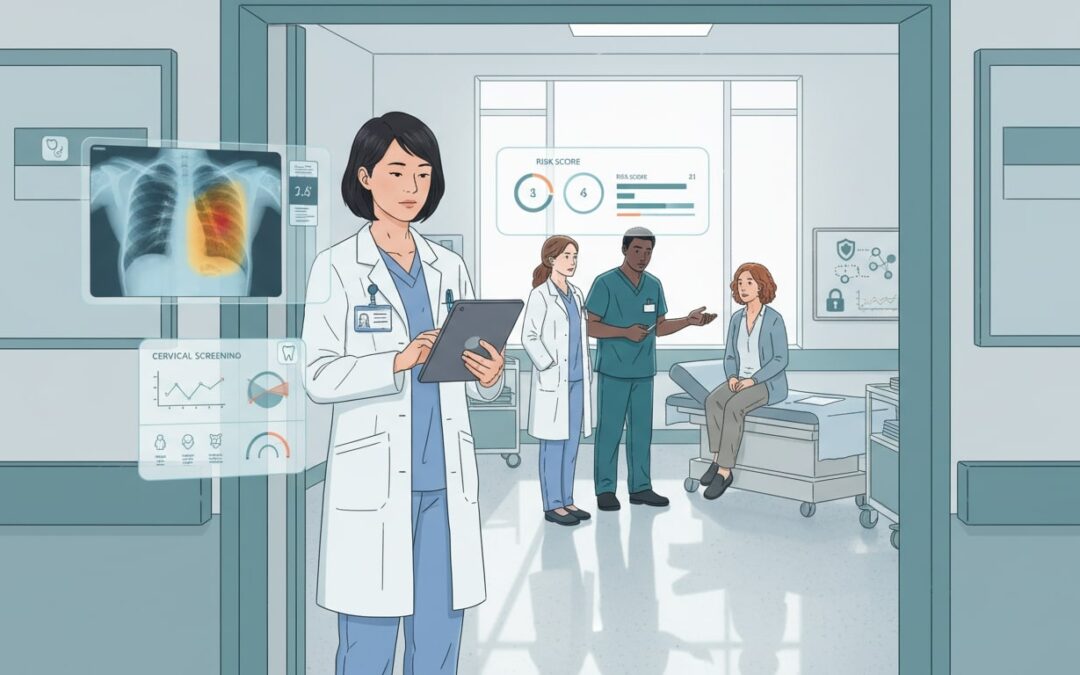
Artificial Intelligence in Healthcare| Top 7 Ethical and Practical Challenges

Artificial Intelligence in Healthcare| Top 7 Ethical and Practical Challenges

Artificial Intelligence in Healthcare: Ethical and Practical Challenges

Artificial Intelligence in Healthcare has moved from the realm of prototypes and pilots to everyday clinical practice, shaping diagnostics, triage, care coordination, population health, and operational efficiency. The promise is sweeping: earlier detection, decision support at the point of care, resource optimization, and personalized interventions. Yet the same capabilities raise urgent questions of safety, fairness, accountability, privacy, and sustainability. This article synthesizes technical, clinical, legal, and sociocultural perspectives to examine where the field stands, what risks must be controlled, and how to design and govern systems that are both effective and worthy of trust.

To stay grounded, we anchor arguments in real clinical contexts and care pathways—from primary care and screening to specialist services such as gynecology and orthodontics—and we highlight the implications for digital transformation strategies and patient-facing services.

Artificial Intelligence in Healthcare

What we mean by “Artificial Intelligence in Healthcare”

Artificial Intelligence in Healthcare encompasses a spectrum of computational methods:

  • Supervised and self-supervised learning for risk prediction, classification, and segmentation (e.g., radiology, dermatology, pathology).
  • Large language models (LLMs) and retrieval-augmented generation (RAG) for summarization, patient messaging, and guideline grounding.


  • Reinforcement learning for scheduling, resource allocation, and adaptive interventions.
  • Causal inference and uplift modeling for treatment effects and personalized recommendations.
  • Generative models for data augmentation, synthetic cohorts, and simulation.

These models operate across the clinical stack:

  • Preclinical and translational discovery (target identification, molecular design).
  • Diagnostics (image interpretation, lab triage).
  • Care delivery (decision support, automation of notes and coding).
  • Population health (risk stratification, outreach).
  • Administration and operations (capacity planning, revenue cycle).

The ethical and practical challenges arise at every layer, from data provenance through deployment and monitoring. They are not mere “soft issues”—they are determinants of clinical validity, legal compliance, and organizational resilience.


1) Safety, efficacy, and the evidence hierarchy

Regulatory science has historically relied on randomized controlled trials (RCTs) and post-market surveillance to demonstrate benefit and detect harm. AI systems complicate this in three ways:

  1. Non-stationarity: Clinical environments change—population demographics, disease prevalence, imaging devices, workflows. A model validated in 2023 may drift in 2026.
  2. Model opacity: Deep learning models often resist straightforward mechanistic interpretation, making pre-specification of failure modes harder.
  3. Human–AI teaming: Outcomes reflect the combined behavior of clinicians and tools; measured performance is contingent on training, interface design, and staffing pressures.

Practical approaches:

  • Prospective, multi-site studies with pre-registered statistical analysis plans.
  • Silent mode rollouts to capture baseline performance and counterfactuals before activation.
  • Continuous performance monitoring with alert thresholds, rollback procedures, and scheduled re-validation.
  • Human factors engineering: measure time-to-decision, cognitive load, and error types; test different UX choices (confidence bands, alternative differentials, provenance links).

Example: Screening and specialty referral pathways. In cervical health, AI-assisted cytology and colposcopy triage aim to reduce false negatives and prioritise high-risk patients. Successfully integrating tools into established specialist pathways requires clear escalation criteria, audit trails, and fast risk feedback loops to colposcopy clinics. In metropolitan centers, patient choices include dedicated services like a Colposcopy Clinic London and specialist gynecology consultation. For context on specialist gynecological services and cervical health information, see Harley Street Gynaecology – Private Gynaecologist London and Cervical Health (Colposcopy Clinic London).


2) Data quality, representativeness, and bias

AI models are only as trustworthy as their data. Bias can enter through:

  • Sampling bias: training on narrow geographies or devices.
  • Label bias: proxies for outcomes (billing codes, heuristic labels).
  • Measurement bias: device-specific imaging characteristics, EHR documentation habits.
  • Survivorship bias: historical treatment patterns that reflect inequities.

Mitigations:

  • Curate diverse, stratified datasets and report subgroup performance (by age, sex, ethnicity, comorbidities, device type).
  • Use federated learning and privacy-preserving analytics to broaden data sources without centralizing identifiable data.
  • Implement dataset shift detectors (e.g., domain discrepancy metrics) and post-deployment fairness dashboards.
  • Prefer causal or counterfactual evaluation where feasible; do not claim “fairness” when causal pathways remain unknown.

Clinical implications: In primary care referral and triage, biased algorithms may under-prioritize certain subpopulations for specialist appointments, lengthening time to care. In contexts where patients can self-refer or seek private consultations—e.g., identifying the best private GPs in London or the best gynaecologists in London—algorithms that influence referral letters, risk scoring, or waiting list order must be auditable for equitable access.


3) Transparency, explainability, and clinician cognition

Clinicians need more than a score—they need a rationale compatible with clinical reasoning. However, “explanations” can be misleading if they are post-hoc or unfaithful.

Useful design patterns:

  • Show structured evidence: relevant guidelines snippets, similar cases with outcomes, salient imaging regions validated by radiology peers.
  • Communicate uncertainty: prediction intervals, calibrated probabilities, and data quality flags (out-of-distribution warnings).
  • Layered interpretability: quick rationale at a glance; deeper provenance on demand.
  • Counterfactuals: “This patient would drop below the intervention threshold if creatinine improved by X” to support shared decision-making.

Cognitive ergonomics:

  • Avoid automation bias by presenting alternatives and “disconfirming” evidence.
  • Nudge towards guideline-concordant care, not a single “answer.”
  • Train clinicians with realistic cases that include tool failure modes.

4) Privacy, security, and compliance

Medical data carries heightened legal and reputational risk. Using Artificial Intelligence in Healthcare requires a defense-in-depth strategy:

  • Data minimization and purpose limitation: collect only what is necessary for the task; codify retention and deletion schedules.
  • De-identification with formal guarantees where possible (k-anonymity, differential privacy); understand re-identification risks in multi-modal datasets.
  • Secure enclaves or virtual private clouds with audited access; hardware-backed key management; role-based access control.
  • Supply-chain scrutiny: third-party model providers, prompt/response logs for LLM-based tools, content filtering, and redaction.
  • Model security: adversarial robustness, prompt injection defenses for LLM agents, and red-team exercises for jailbreaking and data leakage.
  • Compliance frameworks: HIPAA, GDPR, DPA 2018, UK MDR and MHRA pathways, EU AI Act risk classification and conformity assessment.

Operationally, health systems should treat model prompts, embeddings, and metadata as protected health information if they can be linked to a person. Vendor due diligence must include data residency, sub-processor lists, and incident response SLAs.


5) Accountability, liability, and governance

When an AI contributes to harm, who is responsible? Governance should clarify:

  • Decision rights: AI as an advisory vs autonomous component; final clinical accountability remains with licensed practitioners unless regulation states otherwise.
  • Documentation: versioned model cards, decision logs, and rationale capture within the EHR.
  • Change control: model updates as “clinical change events” requiring approval, communication, and retraining where needed.
  • Incident learning: safety huddles that include AI issues; blameless postmortems; corrective and preventive actions (CAPA).
  • Patient communication: disclosure that AI is used in care, material facts about limitations, and routes for questions or opting out where feasible.

Boards should institute an AI governance committee with representation from clinical leadership, data protection, information security, legal, and patient/public voices. This committee oversees a risk register, approves high-risk deployments, and mandates periodic external audits.


6) Human resources, skills, and culture

Deploying Artificial Intelligence in Healthcare is not a plug‑and‑play endeavor. Success hinges on:

  • Clinical informatics capacity: clinician–engineers and data-savvy nurses who translate workflow needs into model requirements.
  • Data engineering: reliable ETL/ELT pipelines, feature stores, and MLOps platforms with lineage and reproducibility.
  • Prompt engineering and retrieval design for LLM tools: curating trusted corpora, crafting guardrails, and evaluating hallucination rates.
  • Training and change management: simulation labs, competency frameworks, and protected time for learning.

The culture must normalize critical use of AI: encourage second opinions, reward surfacing anomalies, and frame the AI as a colleague whose performance is measured and improved like any other team member.


7) Clinical pathways and specialty-specific considerations

AI’s risk-benefit calculus varies by specialty and task.

  • Primary care triage: symptom checkers and risk stratifiers can reduce load but risk over-triage or false reassurance. Clear escalation criteria and calibration to local prevalence are essential. When patients seek quick access to assessment or referral in urban settings, curated directories such as the best private GPs in London can complement NHS pathways and provide timely continuity of care.

  • Gynecology and cervical screening: AI in cytology, HPV stratification, and colposcopic image analysis may reduce variability. Yet, given the high stakes of missed precancerous lesions, conservative thresholds, double reading, and robust quality assurance are prudent. For clinical guidance and services, refer to Harley Street Gynaecology – Private Gynaecologist London and additional cervical health resources at Colposcopy Clinic London.

  • Dental and orthodontics: AI can standardize cephalometric analyses, growth predictions, and aligner staging. Acceptance depends on explainability (landmark visualizations) and patient communication. For patients exploring specialist care, lists such as the best orthodontists in London can help align expectations with available expertise.

  • Radiology and pathology: Mature image-based use cases exist for detection, segmentation, and prioritization. Safety demands robust out-of-distribution detection, device normalization, and multi-reader multi-case studies to quantify reader–AI interaction.

  • Mental health: Conversational agents for psychoeducation and adherence support can extend reach but must be transparent, avoid clinical claims beyond evidence, and provide crisis escalation pathways.

  • Operations: Bed management, theatre scheduling, and staffing optimization can yield immediate ROI with relatively lower clinical risk, though fairness and transparency still matter for workforce trust.


8) Large language models at the point of care

LLMs have accelerated documentation (note drafting, coding suggestions), guideline grounding, and patient messaging. Key design constraints:

  • Retrieval-augmented generation using curated, versioned clinical sources (local guidelines, formularies).
  • Strict prompt hygiene and content filtering; avoid free-form generation for clinical decisions without guardrails.
  • Chain-of-thought concealment unless explicitly validated; focus on verifiable citations and structured outputs.
  • Human-in-the-loop workflows with clear accept/modify pathways and audit trails.

Measuring value:

  • Time saved per note vs. correction time.
  • Hallucination incidence under adversarial prompts.
  • Impact on guideline adherence and patient comprehension.

9) Economic value, incentives, and sustainability

AI must create value that survives procurement, integration, and maintenance costs:

  • Productivity: reduced time per encounter, faster imaging turnaround, fewer unnecessary tests.
  • Quality: guideline adherence, reduced complications, earlier detection improving outcomes.
  • Patient experience: shorter waits, clearer communication.
  • Staff well-being: lower administrative burden.

However, costs include compute, data labeling, integration, governance overhead, and legal exposure. Vendor lock-in and model drift can erode returns. Design for portability (open standards, FHIR), negotiate data and model escrow, and account for lifecycle costs in business cases.

For providers and clinics modernizing their patient acquisition and service delivery pipelines, effective digital strategy is essential. Ethical deployment intersects with discoverability, patient education, and reputation management. For sector-specific guidance, see resources on healthcare digital marketing in London, which can complement internal change management and patient communications plans.


10) Equity, access, and public trust

Artificial Intelligence in Healthcare can widen or narrow disparities depending on choices:

  • Language access: multilingual models and culturally adapted content.
  • Device and connectivity constraints: offline-first or low-bandwidth options.
  • Transparent patient communication: clear explanations of AI’s role, rights to human review, and complaint mechanisms.
  • Community engagement: participatory design with patient groups; publish plain-language summaries of evaluations.

Trust is earned through humility: acknowledge limits, show evidence, and be accountable when outcomes fall short.


11) Practical blueprint for responsible deployment

A phased, disciplined approach helps balance speed with safety.

Phase 0: Problem selection

  • Choose high-signal problems with measurable outcomes and established workflows.
  • Validate that data can support the task (coverage, quality, labels).

Phase 1: Model development

  • Data governance: consent, minimization, lineage.
  • Baselines and benchmarks: compare with existing tools and clinician performance.
  • Fairness objectives: define subgroups and success metrics in advance.

Phase 2: Evaluation

  • External validation across sites and devices.
  • Human factors testing and usability studies.
  • Safety case documentation: hazards, mitigations, and residual risks.

Phase 3: Deployment

  • Silent mode to gather counterfactuals and calibrate thresholds.
  • Go-live with circuit breakers; real-time monitoring of performance and drift.
  • Training programs and “safety champions” in each unit.

Phase 4: Operations

  • Quarterly model reviews; retraining triggers based on data drift and outcome tracking.
  • Incident reporting and CAPA integration with clinical risk systems.
  • Sunset plans for models that no longer meet thresholds.

Artifacts to maintain:

  • Model cards, data sheets, and change logs.
  • Fairness and performance dashboards with stratification.
  • Data processing records for compliance audits.

12) Future directions and research needs

  • Causality-aware models: combining domain knowledge and causal structure to improve transportability and fairness.
  • Self-monitoring models: embedded uncertainty and OOD detection as first-class outputs.
  • Learning health systems: continuous improvement loops where feedback from clinical outcomes updates models responsibly.
  • Confidential computing and federated analytics at scale: enabling multi-institution learning without centralizing data.
  • Benchmarking standards: clinically grounded, task-specific benchmarks that reflect real deployment contexts.

13) Patient-centered communication in an AI-enabled clinic

Patients should leave with clarity:

  • What role does AI play in their care?
  • How are privacy and data protection enforced?
  • What benefits and risks are relevant to them?
  • How can they request human review or raise concerns?

Clinics can provide leaflets and portal content that explain AI tools in plain language, list validations completed, and summarize monitoring practices. When appropriate, they can also offer pathways to specialist consultation and second opinions, such as contacting a specialist for women’s health through a Private Gynaecologist Londonor seeking a second opinion via curated networks like the best gynaecologists in London.


14) Ethical principles translated into engineering requirements

  • Beneficence → Prospective evidence of improved outcomes; harm-minimizing thresholds.
  • Non-maleficence → Robust monitoring, rollback, and human oversight.
  • Autonomy → Meaningful explanation and opt-out options where feasible.
  • Justice → Subgroup performance guarantees and remediation plans.
  • Accountability → Clear documentation, audit trails, and governance bodies.

Turn each ethical principle into testable acceptance criteria. For example: “No subgroup’s AUROC may degrade by >0.05 relative to overall; incidence of high-severity alerts must not disproportionately affect any protected group after adjusting for prevalence.”


Conclusion

Artificial Intelligence in Healthcare is not just another tool—it is a systems-level intervention that shapes clinical judgment, resource allocation, and patient trust. Its benefits are real: earlier detection, operational efficiency, and more personalized care. Its risks are equally real: biased decisions, over-reliance, privacy breaches, and silent performance decay.

Organizations that succeed will treat AI like any high-stakes clinical technology: they will build robust pipelines from data governance to post-market surveillance, invest in human factors and training, and engage patients with respect and transparency. They will select use cases judiciously, measure what matters, and own the responsibility to improve—or stop—systems that do not meet clinical, ethical, and societal standards.

For patients navigating care pathways, Artificial Intelligence in Healthcare should translate into safer, faster, and clearer experiences—never into opaque decisions or diminished agency. And for clinicians, AI should be a teammate that augments expertise, lightens administrative load, and makes guideline-concordant care the path of least resistance.

As health systems modernize—and as private and public services coexist in dynamic ecosystems—stakeholders can connect AI’s benefits to real-world access and quality. From primary care choices like the best private GPs in London to specialty pathways in women’s health via Private Gynaecologist London and cervical screening at a Colposcopy Clinic London, to dental alignment services found through the best orthodontists in London, AI must support—not supplant—expert clinical judgment and patient choice. And for providers aligning their capabilities with patient expectations, thoughtful transformation and communication strategies, including specialized guidance on healthcare digital marketing in London, will be essential to realize AI’s value responsibly.

The next decade will test our collective capacity to align technological power with clinical wisdom and societal values. If we meet that test, Artificial Intelligence in Healthcare can help deliver a future where care is more anticipatory, humane, and equitable—because we designed it to be so.

Read More:

Sustainable Energy Options & Solutions
Technological Innovation and Its Impact

Technological Innovation and Its Impact

Technological Innovation and Its Impact on Organizational Performance: An Academic Perspective

Technological innovation has rapidly emerged as a pivotal determinant of organizational performance in the modern business landscape. From increasing productivity to strengthening competitive advantage, the effective integration of technological advancements plays a crucial role in shaping the strategic direction and overall success of businesses. This paper explores how technological innovation impacts key aspects of organizational functions, such as productivity, competitive positioning, customer experience, and market share. It reviews theoretical frameworks and empirical research to explore the relationship between technological innovation and organizational performance. The paper also addresses challenges related to adopting new technologies, the leadership role in fostering innovation, and the future technological trends that will continue to shape organizational outcomes.


Introduction

The integration of new technologies into business processes is no longer optional but a necessity in today’s fast-paced, highly competitive global market. Technologies such as Artificial Intelligence (AI), automation, blockchain, the Internet of Things (IoT), and advanced data analytics have transformed how organizations operate, enabling them to enhance productivity, lower costs, and maintain a competitive edge. Technological innovation is thus a critical factor in determining an organization’s ability to adapt, survive, and thrive in a rapidly evolving environment.

This paper will analyze the multifaceted impact of technological innovation on organizational performance, drawing on key concepts and literature. The aim is to illustrate how adopting and integrating new technologies can lead to enhanced productivity, innovation capacity, competitive advantage, and overall success.

Technological Innovation and Its Impact on Organizational Performance


Theoretical Framework

Technological Innovation: A Definition

Technological innovation refers to the process of introducing new or significantly improved products, services, or business processes, driven by advancements in technology. While this includes the development of entirely new technologies, it also encompasses the creative use of existing technologies to improve organizational operations. Joseph Schumpeter’s theory of creative destruction explains how technological advancements disrupt established business models, enabling new companies or business practices to emerge. Through continuous innovation, firms can secure a competitive edge and redefine industries, even at the risk of upending traditional business operations.

Organizational Performance: A Broader Perspective

Organizational performance is a complex, multidimensional concept. It generally refers to how well an organization achieves its strategic objectives. Common indicators of performance include financial outcomes (e.g., profitability, return on investment), market share, operational efficiency, customer satisfaction, and innovation capacity. In the context of technological innovation, performance is often assessed in terms of how well a company adapts to change, integrates new technologies, and creates new value propositions in the market.

The relationship between technological innovation and organizational performance has been a central concern in strategic management. Today, organizations are expected to leverage technology not just to survive but to thrive by gaining a competitive advantage, optimizing processes, and delivering superior customer value.


Technological Innovation and Its Impact on Organizational Performance

1. Productivity and Operational Efficiency

One of the most immediate and measurable impacts of technological innovation is its ability to enhance organizational productivity. Automation, AI, robotics, and advanced data analytics contribute to more efficient resource management, reduced operational costs, and faster decision-making processes. These technologies also lead to the elimination of redundant tasks and errors, allowing employees to focus on higher-value activities.

For example, Enterprise Resource Planning (ERP) systems and Customer Relationship Management (CRM) software allow organizations to streamline operations, enhance customer interactions, and improve supply chain coordination. Research by Brynjolfsson and Hitt (2003) found that organizations that invest in advanced information technologies significantly increase their productivity in both labor and capital.

However, these productivity benefits are contingent on proper integration and continuous employee training. Simply adopting new technologies without effective implementation can result in missed opportunities for improving operational efficiency.

2. Competitive Advantage

Technological innovation has become a central driver of competitive advantage. Firms that effectively leverage advanced technologies are better positioned to outperform competitors by offering differentiated products, services, and customer experiences. For example, companies like Amazon and Netflix have adopted cloud computing, AI, and big data analytics to personalize customer experiences and optimize supply chains, which has given them a sustainable edge over competitors.

Michael Porter’s value chain framework (1985) illustrates how technological advances in areas such as operations, logistics, and marketing contribute to competitive advantage. By innovating in these areas, companies add value, reduce costs, and improve customer satisfaction, thereby strengthening their position in the market.

In today’s hyper-competitive landscape, if an organization is unwilling or unable to innovate, it risks falling behind competitors that can adapt to new technological trends and meet evolving customer needs more effectively.

3. Innovation Capability and Market Growth

Technological innovation allows organizations to develop an innovation capability—the ability to continuously introduce new products, services, or processes that meet market demands. Firms that invest in research and development (R&D) and adopt innovative technologies are more likely to generate market-leading products that open new revenue streams and foster market growth.

For instance, in the pharmaceutical industry, technological innovations in drug discovery and development have enabled companies to reduce the time and cost of bringing new drugs to market. This accelerates the process of introducing innovative products to consumers, thereby increasing market share and revenue potential.

AI-powered digital marketing platforms have also helped businesses create personalized marketing strategies based on consumer behavior, resulting in more effective customer engagement and enhanced market presence.

4. Customer Satisfaction and Experience

Customer satisfaction has been significantly enhanced through the use of technological innovations. AI, machine learning, and big data analytics allow companies to analyze customer behavior, predict preferences, and deliver customized solutions. This leads to a more personalized experience that drives customer loyalty and repeat business.

For example, Spotify and Netflix use machine learning algorithms to provide users with personalized content recommendations. These tailored experiences not only enhance customer satisfaction but also improve user retention rates, which contribute to market dominance. Companies that effectively exploit technology to anticipate and meet customer needs tend to have a stronger reputation and higher levels of customer satisfaction.

5. Cost Reduction and Efficiency

Cost reduction is another key benefit of technological innovation. Automation, data analytics, and cloud computing enable organizations to cut down on labor costs, minimize human errors, and enhance operational efficiency. For instance, robotics in manufacturing and automated warehouses have drastically reduced costs associated with labor, while improving speed and accuracy in operations.

McKinsey & Company (2019) reported that automation can lead to cost reductions of up to 30% in sectors like manufacturing, healthcare, and logistics. However, these efficiencies can only be realized if the organization can successfully integrate new technologies and ensure that they align with existing business processes.


Challenges of Technological Innovation Implementation

Despite its numerous benefits, the implementation of technological innovation poses several challenges. These challenges include:

1. Resistance to Change

Many employees and managers resist new technologies due to fear of job displacement, lack of technical expertise, or simply a reluctance to adapt to change. Overcoming this resistance requires strong change management strategies that emphasize clear communication, involvement of key stakeholders, and providing adequate training.

2. High Initial Costs and Investment

Technological innovations require substantial investment in infrastructure, software, and employee training. For many small and medium enterprises (SMEs), these costs can be prohibitive. Securing funding for technology adoption may require creative solutions, such as seeking government grants or strategic partnerships.

3. Integration with Existing Systems

Integrating new technologies with legacy systems is often a complex and costly process. Incompatibilities between old and new systems can delay deployment, reduce efficiency, and add unexpected costs. Companies must carefully plan technology integration to minimize disruption to ongoing operations.

4. Cybersecurity Risks

As organizations become more reliant on digital technologies, they face increased risks related to cybersecurity. Data breaches, ransomware attacks, and other cyber threats can undermine the benefits of technological innovation, leading to significant financial losses and reputational damage.


The Role of Leadership in Fostering Technological Innovation

Effective leadership is critical in driving technological innovation within an organization. Leaders must foster a culture that encourages experimentation, collaboration, and risk-taking. Moreover, leaders must be proactive in identifying emerging technologies and integrating them into the company’s strategic vision.

Key Leadership Qualities for Innovation:

  • Openness to Change: Leaders must demonstrate flexibility and a willingness to embrace new ideas and technologies.

  • Strategic Foresight: The ability to anticipate future technological trends and align them with organizational goals.

  • Continuous Learning: Ensuring that employees are continuously trained and equipped to work with emerging technologies.

In conclusion, the future of organizational performance will be largely shaped by the ability of leadership to integrate and leverage new technologies to drive innovation and improve business outcomes.


Emerging Technological Trends

As we look ahead, several technological trends are likely to shape organizational performance in the coming years:

  • Artificial Intelligence (AI) and Machine Learning: AI will continue to optimize decision-making, improve customer personalization, and enhance operational efficiency.

  • IoT (Internet of Things): The widespread use of IoT devices will enable organizations to collect real-time data, optimize asset management, and streamline operations.

  • Blockchain: Blockchain technology will provide enhanced security, transparency, and traceability, especially in industries like supply chain management, finance, and healthcare.

  • 5G Connectivity: The arrival of 5G networks will offer faster data transmission, enabling innovations in areas like remote working, smart cities, and autonomous vehicles.


Conclusion

Technological innovation is undeniably a significant driver of organizational performance in the modern business world. Organizations that embrace technology to enhance productivity, improve customer experience, and reduce costs are better positioned to maintain a competitive advantage and achieve long-term success. However, the implementation of new technologies is not without challenges, including resistance to change, high upfront costs, and integration complexities. Effective leadership, strategic foresight, and continuous learning are essential to overcome these obstacles and unlock the full potential of technological innovation.


References

  • Brynjolfsson, E., & Hitt, L. M. (2003). Computing productivity: Firm-level evidence. The Review of Economics and Statistics, 85(4), 793-808.

  • Porter, M. E. (1985). Competitive advantage: Creating and sustaining superior performance. Free Press.

  • McKinsey & Company. (2019). Automation in business: Opportunities and challenges. McKinsey & Company.

  • Hambrick, D. C., & Mason, P. A. (1984). Upper echelons: The organization as a reflection of its top managers. Academy of Management Review, 9(2), 193-206.

IELTS coaching in Dhaka

Does Homeopathy Really Work?

Does Homeopathy Really Work?

Does Homeopathy Really Work?

Homeopathy is one of the most widely practiced forms of alternative medicine, with a history spanning over 200 years. Developed in the late 18th century, it is based on the principle of “like cures like,” which suggests that a substance that causes symptoms in a healthy individual can be used—when highly diluted—to treat similar symptoms in someone who is ill.

Over the years, homeopathy has gained both devoted followers and fierce critics. While many people report positive results from its use, others question whether its benefits are anything more than placebo. In this article, we will explore what homeopathy is, how it works (according to its practitioners), and what scientific research says about its effectiveness.

Does Homeopathy Really Work?

What Is Homeopathy?

Homeopathy was founded by German physician Samuel Hahnemann in the late 1700s as a reaction to the often harsh and invasive medical treatments of the time, such as bloodletting and purging. Hahnemann proposed a gentler, more individualized approach based on two main concepts:

  1. “Like Cures Like” – The belief that substances causing symptoms in healthy people can treat similar symptoms in the sick.

  2. Potentization – The idea that diluting a substance many times, while vigorously shaking it at each stage (a process called “succussion”), enhances its healing power—even when the final remedy contains no measurable molecules of the original substance.

For example, a homeopathic remedy for insomnia might be derived from caffeine, a substance known to cause sleeplessness. According to homeopathic theory, this ultra-diluted caffeine solution could help someone who is struggling with sleep.

Homeopathic remedies are available in various forms, including tablets, liquids, creams, and pellets. They are often labeled with dilution ratios such as 30C or 200C, which indicate the number of times the original substance has been diluted by a factor of 100. At high dilutions, it is unlikely that even a single molecule of the original substance remains.

Despite this, homeopaths claim that the remedy retains a “memory” or “energy imprint” of the original ingredient, which helps trigger the body’s natural healing response. Critics, however, argue that such claims lack a scientific basis and are incompatible with current understanding of chemistry and physics.


Does Homeopathy Really Work?

The effectiveness of homeopathy is a subject of ongoing debate. A large number of clinical studies and reviews have investigated homeopathy’s efficacy—many with conflicting outcomes.

Evidence Against Homeopathy

Numerous systematic reviews and meta-analyses—which evaluate the results of multiple studies—have concluded that homeopathy performs no better than a placebo. The placebo effect is a psychological phenomenon in which people experience real improvements in symptoms after receiving a treatment with no active ingredients, simply because they believe it will help.

For instance, a 2010 review by the UK House of Commons Science and Technology Committee stated that homeopathic remedies were “scientifically implausible” and that there was no evidence to support their effectiveness beyond placebo. Similarly, the Australian National Health and Medical Research Council (NHMRC) in 2015 concluded that there are no reliable studies demonstrating homeopathy’s effectiveness for any health condition.

Evidence Supporting Homeopathy

Despite the skepticism, some studies have reported positive findings. For example:

  • A 1994 study published in the British Medical Journal found that patients with rheumatoid arthritis reported symptom improvement after homeopathic treatment.

  • Another study published in the Journal of Alternative and Complementary Medicine suggested that homeopathic remedies might reduce the duration and severity of childhood diarrhea.

However, many of these studies have been criticized for poor methodology, small sample sizes, and lack of replication. Supporters argue that larger, better-designed studies are needed to fully assess homeopathy’s potential.


Why Do People Use Homeopathy?

Despite the scientific controversy, millions of people around the world continue to use homeopathy. Here are a few reasons why:

  • Holistic Approach: Homeopathy treats the whole person, not just the symptoms. Consultations are often in-depth, taking into account physical, emotional, and mental health.

  • Personal Attention: Homeopaths typically spend more time with patients than conventional doctors, which many people find reassuring and therapeutic.

  • Natural Remedies: Many people are attracted to the idea of gentle, non-toxic remedies with fewer side effects than pharmaceutical drugs.

  • Chronic Conditions: Some turn to homeopathy when conventional medicine fails to relieve symptoms of chronic illnesses, such as migraines, allergies, or irritable bowel syndrome.


The Role of the Placebo Effect

Critics often attribute homeopathy’s benefits to the placebo effect, where belief in a treatment’s power—rather than the treatment itself—leads to symptom relief. While often viewed negatively, the placebo effect is a real and measurable phenomenon that can trigger physiological responses such as pain relief, improved mood, and immune changes.

In that sense, even if homeopathy works through placebo, it may still provide value in certain contexts—especially when paired with compassionate care and strong doctor-patient communication. However, medical professionals emphasize that treatments should be evidence-based, particularly for serious or life-threatening conditions.


Conclusion: Does Homeopathy Work?

The question of whether homeopathy really works does not have a simple answer. From a scientific standpoint, the majority of well-designed studies suggest that homeopathy performs no better than a placebo. Critics argue that its principles defy basic laws of science and that patients should not rely on it in place of proven medical treatments.

Yet for many users, homeopathy feels effective—whether due to the placebo effect, the holistic consultation process, or a belief in its healing power. Personal experience, cultural practices, and trust in alternative healing methods all play a role in homeopathy’s continued popularity.

Ultimately, the decision to use homeopathy is a personal one. If you’re considering homeopathic treatment, it’s important to consult with a qualified healthcare provider—especially if you’re dealing with a serious or chronic condition. A balanced, informed approach will help ensure that your choices support your overall health and well-being.

Pros and Cons of Homeopathy

Like any healthcare approach, homeopathy has its advantages and disadvantages. Here’s a closer look at both sides:

Pros:

  • Holistic and Individualized Care
    Homeopaths typically spend more time with patients than conventional doctors, exploring not only physical symptoms but also emotional and lifestyle factors. Many people value this thorough, personalized approach.

  • Minimal Side Effects
    Because homeopathic remedies are highly diluted, they rarely cause adverse reactions, making them appealing to those sensitive to conventional medications.

  • Widely Available and Non-Invasive
    Homeopathic remedies are sold over the counter in many countries and are generally easy to administer—no needles, prescriptions, or complex procedures required.

  • Support for Self-Healing
    Advocates say that homeopathy stimulates the body’s own healing mechanisms, which aligns with more natural or holistic philosophies of health.

Cons:

  • Lack of Scientific Evidence
    Most scientific reviews conclude that homeopathic remedies are not more effective than placebos for most health conditions.

  • May Delay Effective Treatment
    Relying on homeopathy for serious or progressive illnesses (e.g., cancer, diabetes, infections) can lead to dangerous delays in receiving evidence-based medical care.

  • Inconsistent Regulation
    In some countries, homeopathic products are poorly regulated. This can lead to inconsistencies in quality, labeling, and safety.

  • Cost and Time
    Because homeopathy is often not covered by insurance, treatment can be expensive—especially with long consultations and repeat visits.


Homeopathy vs. Conventional Medicine

Understanding how homeopathy compares to conventional (mainstream) medicine can help clarify its role in today’s healthcare landscape.

Aspect Homeopathy Conventional Medicine
Philosophy Treats the whole person and seeks balance Treats specific symptoms or diseases
Treatment Highly diluted substances; “like cures like” Medications, surgery, physical therapy, etc.
Scientific Basis Not supported by modern scientific principles Based on biology, chemistry, and clinical evidence
Regulation Varies by country; less strict Strict regulations and clinical testing
Consultation Style Long, personal, holistic Usually shorter and symptom-focused
Effectiveness Mixed evidence; often no better than placebo Generally proven through clinical trials

Can They Be Used Together?

Yes, many people use homeopathy alongside conventional treatment, a practice known as complementary medicine. However, this should always be done under the guidance of a qualified healthcare provider to avoid interactions or delays in effective care.


Is Homeopathy Safe?

Generally Safe, But Not Always Risk-Free

Homeopathic remedies are usually safe for most people when used properly. Since they are so highly diluted, the risk of toxicity or allergic reaction is extremely low. However, safety concerns arise in a few key areas:

  • Replacing Effective Treatment
    The most serious risk is when individuals use homeopathy instead of proven treatments for serious illnesses like infections, cancer, or heart disease. This can result in worsening symptoms or irreversible harm.

  • Unregulated Products
    In some cases, especially with online purchases or unlicensed practitioners, remedies may be contaminated or mislabeled. The U.S. FDA has issued warnings about certain homeopathic products containing active ingredients in unsafe concentrations.

  • Misdiagnosis and Delayed Care
    Some homeopaths may diagnose conditions without adequate medical testing, leading to delays in identifying and treating underlying health issues.

How to Use Homeopathy Safely:

  • Consult a Licensed Healthcare Professional: Especially for serious or chronic conditions.

  • Don’t Replace Essential Treatments: Use homeopathy as a complement, not a substitute.

  • Use Reputable Sources: Choose remedies from regulated, transparent manufacturers.

  • Watch for Symptoms: If symptoms persist or worsen, seek conventional medical advice promptly.

A Brief History of Homeopathy’s Rise and Decline

Homeopathy has had a fascinating journey over the past 200+ years, from widespread popularity to significant controversy.

The Rise of Homeopathy:

  • Origins and Early Success
    Homeopathy was founded in the late 1700s by Samuel Hahnemann, who was dissatisfied with the medical treatments of his time, such as bloodletting and the use of toxic substances like mercury. Hahnemann’s theories, particularly the idea of “like cures like”, quickly attracted followers. By the mid-19th century, homeopathy had gained substantial popularity, especially in Europe and the United States.

  • Homeopathy’s Golden Age
    In the 19th century, homeopathic medicine became mainstream, with over 200 homeopathic hospitals and thousands of practitioners worldwide. It was particularly favored in the United States, where it was embraced by some of the leading intellectuals and medical professionals of the time. It also became popular in parts of India, where it was integrated into the healthcare system, alongside traditional medicine.

  • The Decline of Homeopathy:
    As scientific advancements in medicine progressed, especially with the development of antibiotics, vaccines, and medical technologies, homeopathy began to lose credibility. The rise of evidence-based medicine in the 20th century, alongside rigorous clinical trials, led to growing skepticism about homeopathy’s efficacy.

    A critical turning point came in the early 20th century, when the Flexner Report (1910) criticized many alternative medical practices, including homeopathy, for lacking scientific rigor. This shifted the focus toward conventional medicine in the West.

    By the mid-20th century, homeopathy was marginalized in many Western countries. However, it remained widely practiced in India, Europe, and some parts of South America, where it has retained a significant following to this day.


Public Perception and Use in Different Countries

Homeopathy’s popularity and perception vary dramatically depending on geography, culture, and government regulations.

India: A Stronghold for Homeopathy

India is by far the largest consumer of homeopathic treatments in the world. Homeopathy is officially recognized by the Indian government, and homeopathic medical colleges are part of the country’s formal education system. Over 100,000 licensed homeopaths practice in India, and the government includes homeopathic remedies in its national health programs. The belief in homeopathy is so deeply ingrained that people often turn to it for a wide range of ailments, from minor colds to chronic diseases.

Europe: A Mixed Landscape

In Europe, homeopathy is widely practiced, though its status is divided. In Germany, homeopathy is integrated into the healthcare system, and practitioners receive formal training. It is also covered by some insurance plans in countries like France and Switzerland, where homeopathic remedies are often considered complementary to conventional treatments.

In contrast, countries like the UK and Netherlands have become more critical of homeopathy, with some organizations, such as the National Health Service (NHS) in the UK, stating that there is little scientific evidence to support its effectiveness. In 2010, the UK government even decided to stop funding homeopathic treatments through the NHS.

United States: Declining, But Still Popular

In the United States, homeopathy has seen a resurgence in recent years, primarily among people seeking natural remedies for common ailments. According to surveys, about 5% of Americans report using homeopathic treatments. However, the lack of regulation and standardization of products, along with the absence of strong evidence, has made the practice controversial. The FDA has issued warnings regarding certain homeopathic products, especially those that contain harmful ingredients or make unproven health claims.

Other Regions:

In some parts of South America and Africa, homeopathy is less popular, but still practiced. Many indigenous cultures in these regions use herbal and natural remedies, and homeopathy is often seen as a complementary treatment to traditional healing practices.


FAQs About Homeopathy

1. What exactly is in a homeopathic remedy?

Homeopathic remedies are made by diluting a substance—usually a plant, mineral, or animal product—in water or alcohol. The solution is then shaken vigorously (succussed) to “potentize” it. At high dilutions (e.g., 30C or 200C), the final product may not contain a single molecule of the original substance.

2. How does homeopathy work?

According to homeopathic principles, the process of dilution and succussion imbues the remedy with an “energy” or “vibration” that resonates with the body’s own healing mechanisms. Critics argue that there is no scientific basis for this idea, and homeopathy’s effects are often attributed to the placebo effect.

3. Are homeopathic remedies FDA-approved?

In the United States, homeopathic remedies are regulated by the FDA, but they are often sold as dietary supplements rather than drugs. This means that they don’t need to undergo the same rigorous testing required for pharmaceutical products. However, the FDA has issued warnings about some homeopathic products that contain potentially harmful ingredients.

4. Can homeopathy cure serious diseases like cancer or heart disease?

There is no scientific evidence to support the claim that homeopathy can cure life-threatening diseases like cancer, heart disease, or infections. It is crucial to rely on proven medical treatments for such conditions. Homeopathy is often used as a complementary therapy, but it should not replace standard medical care.

5. How long does it take for homeopathy to work?

The time it takes for homeopathy to show results can vary greatly depending on the condition being treated, the remedy used, and the individual. Some people report feeling better within a few days, while others may require longer-term treatment. Homeopaths often take a holistic approach, addressing not just symptoms but also emotional and lifestyle factors, which may influence healing.

6. Is homeopathy safe for children and pregnant women?

Homeopathic remedies are generally considered safe for children and pregnant women because they contain extremely diluted substances. However, it is always advisable to consult with a healthcare provider before starting any new treatment, particularly during pregnancy or infancy.

7. Why do people believe in homeopathy if there is no scientific proof?

Many people believe in homeopathy due to personal experience, the placebo effect, and a desire for more natural treatments. Homeopathy’s emphasis on individualized care and its holistic approach can also be compelling. In cultures where alternative medicine is more integrated into healthcare, people may be more inclined to trust these remedies.


Final Thoughts: To Use or Not to Use?

The decision to try homeopathy is deeply personal, and its effectiveness remains a matter of debate. While there is little scientific evidence to support homeopathy’s efficacy for most medical conditions, it has an enduring appeal for people seeking more natural, holistic, and personalized approaches to health.

For some, the placebo effect, the sense of well-being, and the belief in the power of homeopathy can be enough to justify its use. However, for those with serious conditions, conventional medicine—backed by rigorous research and scientific evidence—should remain the first line of treatment.

As always, it’s important to consult with a healthcare provider when making decisions about your health, especially if you are considering alternative treatments.

Alarming Global Warming

What Covid 19 Pandemic Taught Us? Academic Article

What Covid 19 Pandemic Taught Us? Academic Article

What Covid 19 Pandemic Taught Us?

Lessons from the COVID-19 Pandemic: Building a Better Future

The COVID-19 pandemic has been one of the most significant global crises of our time. It disrupted nearly every aspect of life—health, economy, education, work, and social norms. While the human and economic toll has been devastating, the pandemic has also served as a wake-up call, revealing both our vulnerabilities and our strengths. Amidst the hardships, it has offered crucial lessons that can help us shape a more resilient, equitable, and prepared future.

What Covid 19 Pandemic Taught Us

1. The Critical Importance of Public Health Infrastructure

One of the most evident takeaways from the pandemic is the vital role of a robust public health infrastructure. Countries that had well-funded healthcare systems, efficient testing and contact tracing, and quick access to vaccines were far more successful in mitigating the spread of the virus. In contrast, under-resourced health systems struggled, often resulting in overwhelmed hospitals, higher mortality rates, and deeper economic fallout. The pandemic underscored the need for sustained investment in healthcare, not just in times of crisis, but as a fundamental public good.

2. The Necessity of Global Cooperation

COVID-19 reminded the world just how interconnected we are. A virus that began in one part of the world quickly became a global threat. In response, international collaboration—through vaccine development, data sharing, and humanitarian aid—played a pivotal role in managing the crisis. The pandemic emphasized the need for stronger global institutions, more transparent communication, and a commitment to working together to face shared challenges, whether they be health-related, environmental, or economic.

3. The Power and Value of Scientific Research

The rapid development of multiple COVID-19 vaccines is a historic achievement in scientific innovation. It proved the power of well-funded, collaborative research and the value of relying on scientific evidence to guide policy and personal decisions. At the same time, the pandemic highlighted the danger of misinformation and conspiracy theories, which undermined public health efforts. Going forward, fostering scientific literacy and trust in experts is essential for building resilient societies.

4. The Growing Importance of Mental Health

While the physical effects of the virus were widely acknowledged, the pandemic also took a profound toll on mental health. Social isolation, financial uncertainty, grief, and fear contributed to a global mental health crisis. Depression, anxiety, and burnout became more widespread, highlighting long-standing gaps in mental health services. The crisis has made it clear that mental health must be integrated into healthcare systems and treated with the same urgency as physical health.

5. The Need for Resilience and Adaptability

The pandemic forced individuals, businesses, and governments to adapt rapidly. From remote work and virtual schooling to curbside delivery and telehealth services, we discovered new ways to function under restrictive conditions. These adaptations demonstrated our capacity for resilience and innovation. Going forward, flexibility and adaptability must remain at the heart of how we respond to future disruptions—whether from pandemics, climate change, or other crises.

6. Exposing and Addressing Inequality

COVID-19 did not affect everyone equally. Marginalized communities—including low-income families, people of color, and those with chronic health conditions—were hit hardest, both health-wise and economically. The pandemic shed light on systemic inequalities in healthcare access, housing, job security, and education. Addressing these disparities must be a priority as we recover, with policies that promote equity, inclusion, and social justice.

7. The Double-Edged Role of Technology

Technology became a lifeline during the pandemic. Remote work, online education, virtual gatherings, and telemedicine all surged in use, proving essential to continuity in daily life. Digital platforms enabled innovation and connectivity—but they also exposed the digital divide. Many lacked access to reliable internet or devices, widening educational and economic disparities. As we move forward, ensuring equitable access to technology is critical for inclusive progress.

8. Environmental Impacts and Lessons

Lockdowns and travel restrictions led to temporary reductions in pollution and greenhouse gas emissions, offering a glimpse of what a more sustainable world might look like. The pandemic underscored the link between environmental health and human health, reminding us that protecting natural ecosystems is not optional but essential. Post-pandemic recovery offers a chance to invest in green infrastructure and policies that support both economic recovery and climate resilience.

9. The Vital Role of Community and Social Connections

Despite physical distancing, the pandemic brought communities closer in many ways. People rallied to support each other—delivering food to vulnerable neighbors, checking in on loved ones, organizing virtual meetups, and donating to relief efforts. It reminded us that human connection and solidarity are powerful forces. Social networks and strong communities are vital not only during crises but in building healthier, more connected societies.

10. The Fragility—and Value—of Life

Perhaps the most profound lesson of all is the reminder of life’s fragility. Millions of lives were lost, and countless others were irrevocably changed. The unpredictability of the virus highlighted the importance of cherishing the present, valuing relationships, and living with purpose. It also reinforced the need for preparedness—not panic—so that when the next global challenge arises, we can respond with compassion, clarity, and competence.


Conclusion: Learning for the Future

The COVID-19 pandemic has been a defining chapter in modern history—marked by loss, uncertainty, and disruption. Yet, it has also revealed our potential for compassion, innovation, and transformation. The lessons we’ve learned—about public health, global unity, scientific integrity, equity, mental well-being, and resilience—must not be forgotten.

As we move forward, these insights offer a roadmap for rebuilding stronger, fairer, and more prepared communities. If we act on these lessons, the legacy of the pandemic can be more than tragedy—it can be a turning point toward a better, more inclusive future.

Best Sustainable Energy Options

Best Sustainable Energy Options

Sustainable Energy Options & Solutions
The future of renewable energy

Sustainable energy is becoming increasingly important as we face the challenges of global warming, rising energy costs, and resource depletion. It is essential to develop and implement sustainable energy solutions that can meet our energy needs while minimizing environmental impacts. This article will explore the best solutions for sustainable energy and their benefits.

Best Sustainable Energy Option

Renewable Energy:

Renewable energy is the most popular and promising solution for sustainable energy. Renewable energy sources like solar, wind, hydropower, and geothermal energy can produce electricity with minimal environmental impact. Solar energy is the most abundant and widely available form of renewable energy. It is a clean, reliable, and cost-effective source of energy. Solar panels can be installed on rooftops or in open areas, and the energy produced can be used to power homes, businesses, and even entire communities. Wind energy is another important form of renewable energy. Wind turbines can be installed on land or offshore, and the energy produced can be used to power homes, businesses, and even entire cities. Hydropower and geothermal energy are also important sources of renewable energy. They use the power of water and the earth’s heat to produce electricity.


Energy Efficiency:

Energy efficiency is another important solution for sustainable energy. Energy efficiency means using less energy to achieve the same results. Energy-efficient appliances, buildings, and vehicles can significantly reduce energy consumption and costs. Energy-efficient buildings are designed to minimize energy waste and maximize energy efficiency. They use efficient lighting, heating, and cooling systems, insulation, and other features to reduce energy consumption. Energy-efficient vehicles are designed to use less fuel and emit fewer greenhouse gases. They use hybrid or electric engines, advanced aerodynamics, and lightweight materials to reduce fuel consumption and emissions.


Bioenergy:

Bioenergy is another important solution for sustainable energy. Bioenergy uses biomass like wood, crops, and organic waste to produce energy. Biomass can be used to produce electricity, heat, and biofuels. Bioenergy is a renewable energy source that can be used to replace fossil fuels. It can also reduce waste and create new economic opportunities. Bioenergy can be produced from a variety of sources, including forestry, agriculture, and municipal waste.


Nuclear Energy:

Nuclear energy is another important solution for sustainable energy. Nuclear energy is a low-carbon source of energy that can produce large amounts of electricity with minimal environmental impact. Nuclear power plants use nuclear reactions to produce heat, which is used to generate electricity. Nuclear energy is a reliable and cost-effective source of energy, but it is also controversial. Some people are concerned about the safety and environmental risks associated with nuclear energy. Others believe that nuclear energy is necessary to meet our energy needs while minimizing greenhouse gas emissions.


In order to achieve a sustainable energy future, it is crucial to take a comprehensive and integrated approach that incorporates all the available solutions. For example, combining renewable energy sources with energy efficiency measures can result in a significant reduction in energy consumption and costs. Similarly, using bioenergy in conjunction with other sustainable energy solutions can help to address waste management issues and provide economic benefits.


Furthermore, it is important to consider the social and economic impacts of sustainable energy solutions. For example, the deployment of renewable energy technologies can create new jobs and stimulate economic growth in local communities. On the other hand, the transition to sustainable energy may also have negative social and economic impacts on communities that rely on traditional energy sources. Therefore, it is crucial to develop and implement policies and programs that can help to minimize the negative impacts of the transition to sustainable energy.


In addition to technological and policy solutions, individual and community action is also crucial for achieving a sustainable energy future. Individuals can take simple steps such as reducing their energy consumption, using public transportation, and adopting energy-efficient practices in their homes and workplaces. Communities can also work together to develop and implement sustainable energy projects, such as community solar or wind farms.


Overall, achieving a sustainable energy future is a complex and multifaceted challenge that requires a collaborative and integrated approach. It is important to recognize the benefits and limitations of each solution and to develop a tailored approach that meets the specific needs and circumstances of each community. By working together and taking action at all levels, we can create a sustainable energy future that benefits both people and the planet.

Sustainable energy is essential for the future of our planet. Renewable energy, energy efficiency, bioenergy, and nuclear energy are some of the best solutions for sustainable energy. Each solution has its own advantages and disadvantages, and the best solution depends on the specific needs and circumstances of each community. We must work together to develop and implement sustainable energy solutions that can meet our energy needs while minimizing environmental impacts. Sustainable energy is not only essential for the future of our planet but also for the health and well-being of future generations.

By The Next Step

Alarming Global Warming : Causes, Effects & Solutions | Academic Article

Alarming Global Warming : Causes, Effects & Solutions | Academic Article

Global Warming: A Looming Environmental Catastrophe

Global warming is a phenomenon that has been the subject of much debate and discussion over the past several decades. It refers to the gradual increase in the Earth’s average surface temperature, primarily due to the emission of greenhouse gases (GHGs) such as carbon dioxide (CO2), methane (CH4), and nitrous oxide (N2O) into the atmosphere. The rapid industrialization and urbanization of the modern world, combined with the rampant consumption of fossil fuels, have led to a sharp rise in GHG emissions, resulting in a significant increase in the Earth’s temperature. This article aims to explore the causes, effects, and potential solutions to the issue of global warming.

Alarming Global Warming : Causes, Effects & Solutions | Academic Article


Causes of Global Warming

The primary cause of global warming is the release of GHGs into the atmosphere. The burning of fossil fuels such as coal, oil, and natural gas for energy production is the largest contributor to GHG emissions. The transportation sector, particularly automobiles and airplanes, is another major source of GHG emissions. Other anthropogenic sources of GHGs include deforestation and land-use change, agriculture, and industrial processes. Natural sources of GHGs, such as volcanic eruptions and wildfires, also contribute to the phenomenon but to a lesser extent.

Effects of Global Warming

Global warming has numerous adverse effects on the environment, wildlife, and human societies. One of the most significant effects is the melting of the polar ice caps, which leads to rising sea levels. This phenomenon can cause coastal flooding, erosion, and the destruction of vital ecosystems, such as coral reefs and wetlands. Global warming also leads to more frequent and severe weather events, such as hurricanes, tornadoes, and heatwaves, which can cause loss of life and property damage. Other effects include changes in precipitation patterns, the spread of diseases, and the extinction of plant and animal species.


Potential Solutions to Global Warming

There are several potential solutions to the problem of global warming, some of which are already being implemented. One approach is to reduce GHG emissions through the use of cleaner, renewable energy sources such as solar, wind, and hydroelectric power. Energy efficiency measures, such as improving building insulation and promoting public transportation, can also help reduce emissions. Another solution is to implement carbon capture and storage (CCS) technology, which captures and stores GHG emissions from industrial processes. Finally, reforestation and afforestation can help absorb CO2 from the atmosphere and mitigate GHG emissions.


Global warming is a looming environmental catastrophe that requires immediate and sustained action. The causes and effects of this phenomenon are well-established, and it is clear that urgent measures are needed to mitigate its impact. Although there are numerous potential solutions, it will require a concerted effort by governments, businesses, and individuals to implement them effectively. Failure to take action will have severe and irreversible consequences for the planet, wildlife, and human societies. It is time for us to act, to preserve the planet and its resources for future generations.

[adinserter block=”2″]

[adinserter block=”1″]

[adinserter block=”2″]

Global warming is a complex and multifaceted issue, with far-reaching implications for the future of our planet. In addition to the environmental and social consequences of global warming, there are also economic and political considerations to take into account.

The economic impact of global warming is substantial, with the potential for significant losses in industries such as agriculture, tourism, and fisheries. Rising sea levels and changing precipitation patterns can lead to crop failures, while extreme weather events can disrupt supply chains and damage infrastructure. The costs of adaptation and mitigation measures, such as investing in renewable energy or building sea walls, can also be significant.

Global warming is also a political issue, with different countries and interest groups advocating for different approaches to tackling the problem. International cooperation and coordination are essential, as GHG emissions do not respect national boundaries. The United Nations Framework Convention on Climate Change (UNFCCC) and the Paris Agreement are international efforts to address global warming and reduce GHG emissions, but their effectiveness depends on the willingness of individual countries to make significant changes.

There are also ethical considerations to take into account when addressing global warming. The effects of climate change are not distributed equally, with vulnerable populations such as low-income communities, indigenous peoples, and small island states being disproportionately affected. The developed countries that have historically been responsible for the majority of GHG emissions also have a moral obligation to take the lead in addressing the problem.


In conclusion, global warming is a complex and pressing issue that requires urgent action from all sectors of society. The consequences of inaction are too severe to ignore, and the potential benefits of addressing the problem are significant. While there are no easy solutions, we must work together to reduce GHG emissions, adapt to the effects of climate change, and ensure a sustainable future for our planet.

By Next Step 

Read more:

Short Stories